
As you probably know, one of the more popular buzzwords in education right now is “trauma-informed.” Whether it’s used when speaking about classrooms, in particular, or schools as a whole, becoming more trauma-informed means understanding the baggage your students bring with them to school and the role it plays in their learning (or lack thereof).
There is tons of fascinating research happening right now proving what many of us already know. Trauma impacts the brain and therefore, trauma impacts a child’s ability to learn. It’s virtually impossible for children to achieve academically if they don’t feel safe, secure and loved.
Teachers and administrators are looking for ways to better understand the impact of trauma and reduce its effect on students in the classroom. The good news is there are so many things teachers can do RIGHT NOW to become more trauma-informed. Some are no-brainers, others may take a bit more effort.
As educators look forward to winter break and relaxing and recharging, I assure you they are also thinking about their students and looking ahead to the second half of the year. This is the perfect time to begin planning for a “reset” in the New Year.
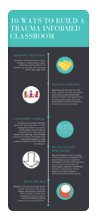
I’ve spent some time recently designing a beautiful, two page printable entitled, “10 Ways to Build a Trauma-Informed Classroom.” I’m excited to share it with you all. Whether you’re a teacher looking to reset your classroom for 2nd semester, an administrator looking for a way to support teachers in their practice or a parent who cares about what is happening in your child’s classroom, this infographic is for you!
To get this free printable, just click on the Subscribe Now button on the righthand side of the screen and enter your email so you never miss a blog post. As a bonus for subscribers, I will occasionally send out updates, news and other freebies. I promise I won’t spam you!
Happy holidays to all! I hope this is a time of rest and peacefulness for each of you!

 akeducationalconsulting.com