
Every time I present at a school or conference, I ask the question, “Who here knows what ACEs are?” and every time, I am astounded that rooms full of extremely knowledgable educators, school counselors and administrators have never even heard the term before. Every. Single. Time.
Now, to be clear, I’m not astounded because I expect them to know. Quite the opposite, in fact. I’ve trained enough educators and school staff to expect that only a handful of them will raise their hand when I ask the question. My astonishment stems from the fact that I want them to know. I want every educator in our country to have a clear understanding of what Adverse Childhood Experiences (ACEs) are, how they impact our students and what actionable steps can be taken to help prevent them. I want our education system to do a better job of preparing our teachers for the behaviors they will encounter due to trauma and chronic stress. I want these things because I believe the lack of understanding, and the many things that result from this lack of understanding, is one of the reasons the teaching profession boasts such high levels of burnout. Add to all this the fact that we now have MORE struggling kids than ever before.
So what are ACEs? And how will better understanding them help teachers and kids? Let’s start at the beginning. According to the CDC, ACEs are “potentially traumatic events that occur in childhood.” Think abuse, neglect, divorce of parents, incarceration of someone close to them, etc. Here’s the really bad news about ACEs, though – we are learning that they increase a person’s risk of developing a multitude of physical and mental illnesses later in life. Things like lung cancer, heart disease and diabetes, just to name a few. We also know that, in the short-term, ACEs (and trauma, in general) impact the brain and as a result, learning and behavior.
It follows then that trauma and chronic stress are major contributing factors in many of the academic and behavioral issues we see in students. Have you noticed an increase in negative or aggressive behaviors at your school or your child’s school this year? Schools all over the country are reporting this very thing. Why? Because we have a whole lot of kids living with the stress and anxiety of the COVID-19 pandemic, among other things.
So the real question becomes – what can we, as educators and parents, do about this sticky situation we are in? Well, for starters, let’s check out this list of prevention strategies from the CDC’s ACE page which you can find here.
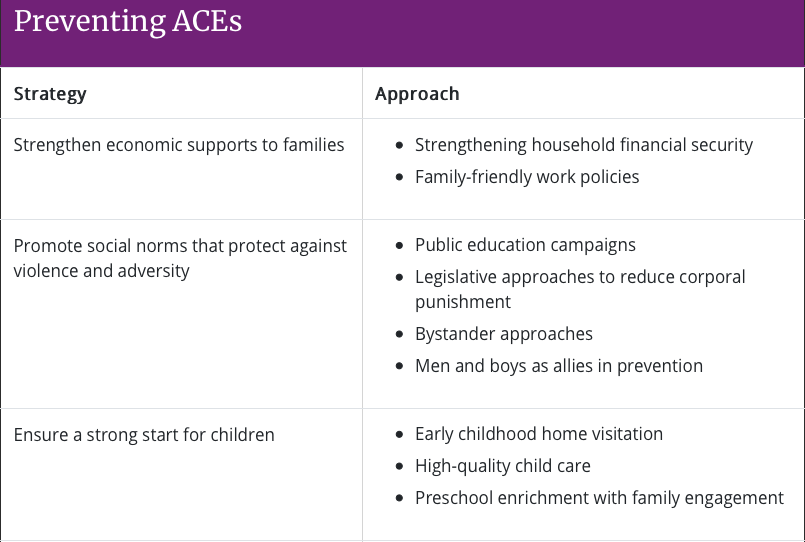
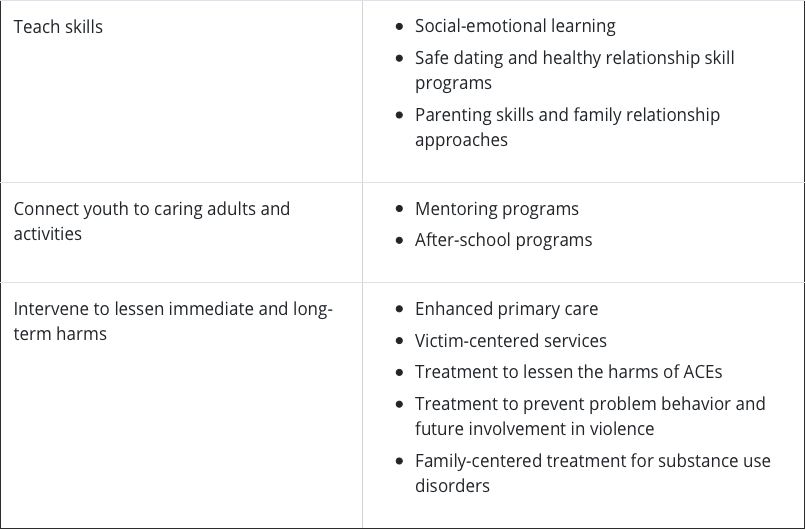
Now obviously, the reach of teachers only goes so far, but “Teach skills” and “Connect youth to caring adults and activities” lands directly in the laps of educators and school counselors. Our schools need to quickly realize that going about with a “business as usual” mindset is doing our students NO FAVORS. The world we are currently living in is far from “usual.” We need to prioritize the social-emotional health of every single child, if we ever hope to get them back on track. Now is not the time to try to “catch them up.” It is not the time to say, “We need to try to move on.” It is the time to realize that what our kids are experiencing is unprecedented and needs to be addressed. We need to help them process through the changes they’ve experienced, the emotions they’re feeling to help them understand they are not alone and provide them the tools to build resiliency.
Heck, think about how YOU have felt over the past 18 months. Do we expect that children should be able to ride that rollercoaster of emotions for so long, hop on off and just go about their business in ways that many adults have not been able to do? Of course not!
Wondering where to begin? I encourage you to check out all the information and resources on the CDC’s ACE page. There is so much to delve into there. If you’re wanting to learn more about incorporating trauma-informed practices or social-emotional learning into your classroom or school, email me at akedconsult@gmail.com. There is so much that we can do to help ALL students be successful at school right now.
 akeducationalconsulting.com