

Photo by Karolina Grabowska on Pexels.com 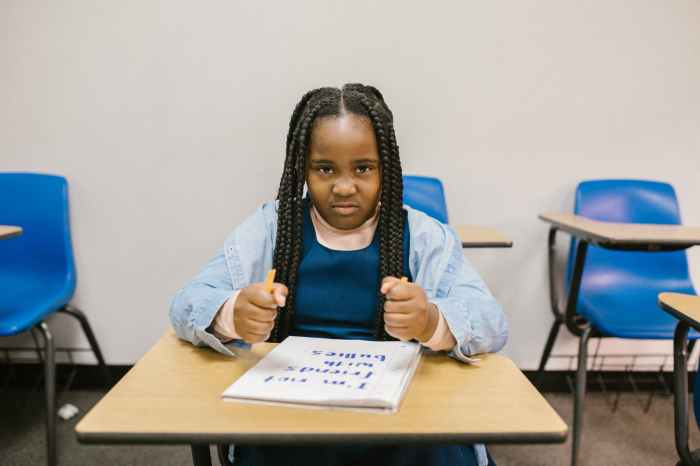
Photo by RODNAE Productions on Pexels.com
Have you ever really stopped to think about the difference between mindfulness strategies and de-escalation strategies? No…just me? At first thought, it seems that they are the opposite of one another, right? I mean, when I think of mindfulness, I visualize someone meditating or deep breathing in a peaceful, quiet place. When I think of de-escalation, calm and peaceful are certainly not words that come to mind. I picture a child who is feeling very angry or emotional and adults trying to help. This visual is very noisy and chaotic in my mind.
Take a minute to think about a few de-escalation strategies that the child in the example above might use. What would be on your list? Perhaps deep breathing, some type of movement activity or productive destruction (my term for satisfying the need to destroy something without ACTUALLY destroying something – think tearing paper or putty)?
Now think about common mindfulness strategies. What did you come up with? Deep breathing and exercise again?
See, the funny thing is…the strategies we use for de-escalation and the strategies we use to practice mindfulness are THE SAME! We just call them something different, depending upon WHEN we use them.
We need de-escalation strategies when our amygdala has already been activated, and we’ve moved into flight or fight mode. When we use the strategies at this time, they help bring us back into balance.
On the flip side, we practice mindfulness strategies to train our brain to respond more calmly and reflectively when faced with adversity. By practicing mindfulness regularly, we can actually retrain our amygdala to “false alarm” less frequently so we don’t need to de-escalate as often.
Now that you know that mindfulness and de-escalation strategies are the same thing, how will you incorporate them into your classroom or home environment? It’s critical that we explicitly introduce a variety of these strategies to kids so they can begin to decide what does and does not work for them. Providing time for mindfulness practice is also key to helping kids strengthen the neural pathways in their brains and be proactive about emotional regulation.
Need help getting started? Check out this infographic I have available on Teachers Pay Teachers.

 akeducationalconsulting.com