
**This is Part 5 of a 7 part series on Mind-Body Skills. Check out the introductory post here or follow along on my YouTube channel.
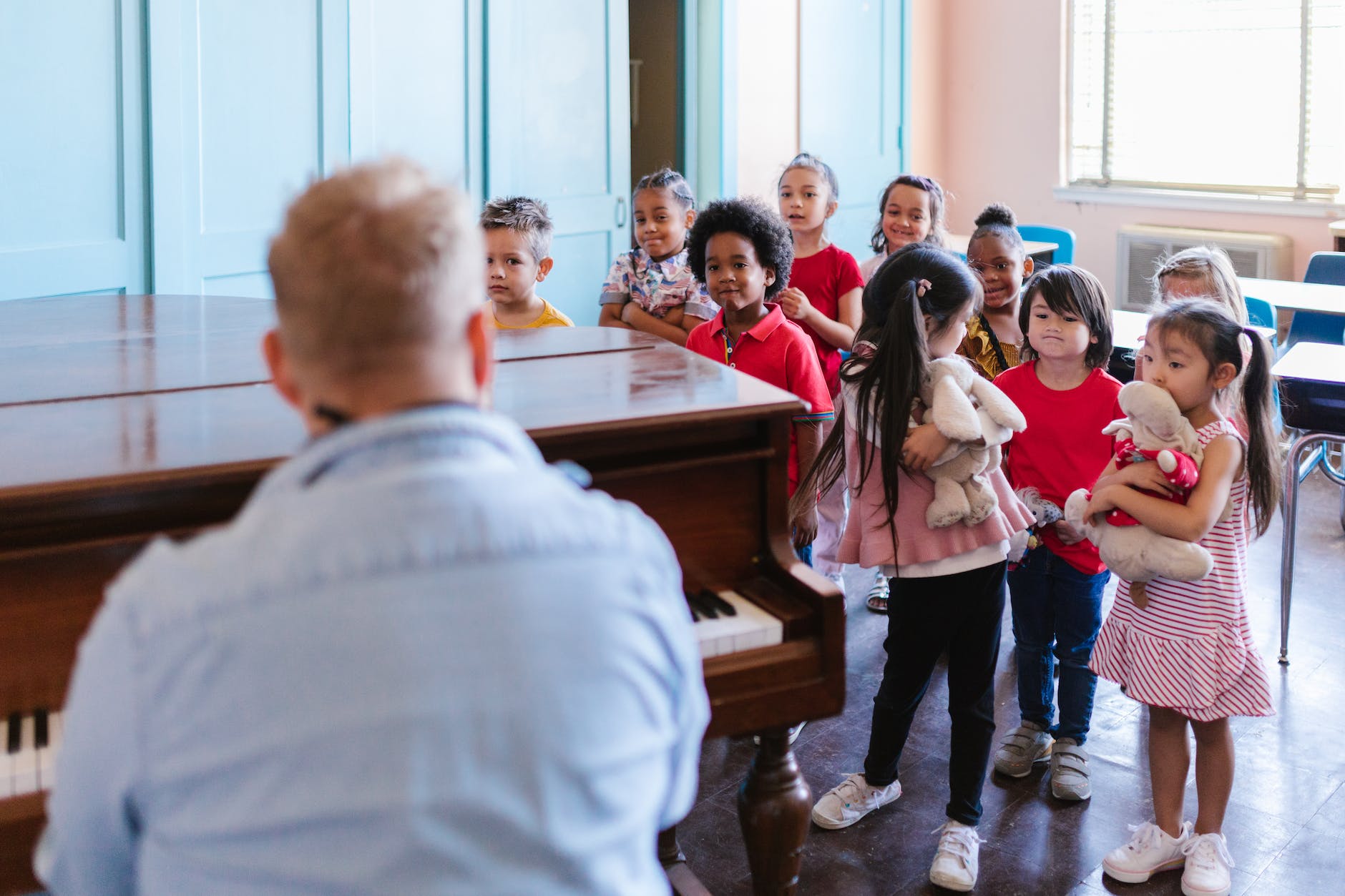
I am not at all musically inclined. I actually prefer to never have music playing in the background – at home, in the car, anywhere. I know, I know…it’s weird.
As you can imagine, this category of mind-body skills is not one that I lean into very often, and that’s ok. Music is life for many people so, once in awhile, it’s good to push ourselves outside of our comfort zone and try something new. For me, when creating my mind-body skills training, that meant finding musical activities that would speak to a wide variety of people.
We all know there are a million different YouTube and Spotify channels where we can stream music and calming sounds into our classrooms. Those are great to use during transitions, independent work time, etc. Many of us use music in a cross-disciplinary manner through phonics chants, math songs, etc. These are all fantastic ways to incorporate music into the classroom, but what other ways can we tap into the power of music?
Hands down, my favorite activity that I came across while researching for the mind-body skills training was an activity where we connect music to specific memories. Remember, anything sensory (sounds, smells, sights, textures, tastes, etc.) can evoke both positive and negative memories from even the deepest recesses of our brain. Often, recalling those positive memories can bring us peace, joy, laughter or contentment.
The example I used recently at a school I was working with can be found below.
I only intended to play a portion of this song and then connect it to a specific memory, as an example for the group of teachers. However, about 10 seconds into the song, I realized we would be listening to the entire thing because the song immediately began to evoke memories for all of THEM!
Even if they did not tie this song to a specific memory, as I do, it brought back memories for many of them of the movie, being in a certain place in life, where they first saw this movie, etc. We ended up having the best time just singing along to this song!
Give it a try! What song evokes strong, positive memories for you? Go give it a listen and just sit with it for a few minutes.
Ask your music-loving students to try out this exercise. Not only can we recall these memories when we are in a place of balance, but we can also use them when we are feeling sad, angry or overwhelmed. That’s what mind-body skills are all about!


 akeducationalconsulting.com