

I did it. I started a Substack and will be doing a lot more of my writing and longer posts over there. I’d love for you to check it out and subscribe!
I did it. I started a Substack and will be doing a lot more of my writing and longer posts over there. I’d love for you to check it out and subscribe!
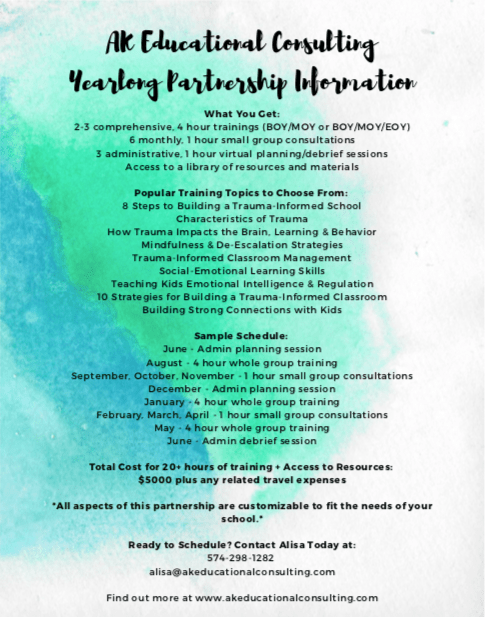
Every spring, I open up 5 yearlong partnership opportunities for the following school year.
This is a fantastic opportunity to begin, or build on, your journey toward becoming a more trauma-informed school or district.
This partnership also allows teachers to take in and process new information in smaller chunks, apply it to their classrooms and evaluate what works and what doesn’t alongside their colleagues and me.
Are you ready to commit to more than a one-and-done training for your staff? Email me to secure your spot!
I’m thrilled to announce a brand new training that focuses on educator well-being!
If your school is looking for ways to better support the wellness of staff members, address and increase teacher satisfaction and retention or transform the culture of the building so that students and staff are happier, my newest training may be perfect for you!
A few things you will learn during this training include:
This training is designed for teachers and other school staff. It can be done as a stand-alone 2, 4 or 6 hour professional development.
If you’re ready to join the thousands of educators (and parents!) who have benefited from my trainings and expertise, send me an email at alisa@akeducationalconsulting.com. Let me help you build a happier and healthier school!
I’ve been reviewing the Missouri Model for Trauma-Informed Schools guidance document, and I LOVE this breakdown of stages to becoming trauma-informed.
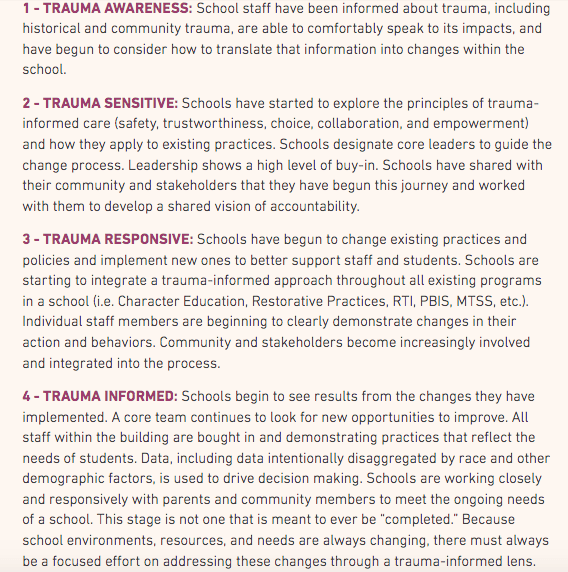
I often say that I hate the term “trauma-informed” because it’s so overused and seldom actually understood.
This is such great insight into how most schools are actually only in stage 1 – trauma awareness. Until you begin to research and implement change at the building level, and see the results of those changes, you can’t leave the first stage.
Being informed about trauma does not make you TRAUMA-INFORMED.
Well, it’s early August in Indiana which means…back to school. I know, I know…it feels WAY too early to go back to school. I agree! I don’t make the rules, though, so back they all go.
If you are one of the lucky ones who still have a lot of summering left to do, enjoy it! Your time is coming!
As we prepare for a fantastic 2024-2025 school year, though, let’s take some time to consider the culture we are building in our classrooms and schools. Is it one of safety, love and belonging or is it one of fear, submission and alienation?
I am passionate about building schools where children feel safe and loved, where behavior management is logical, intentional and appropriate, where communication and interactions are respectful and thoughtful and where feelings and emotions are welcomed and embraced.
If this is your wish for your school, let’s work together to make it happen! I believe we can change the landscape of education in this country, one school at a time.
Looking for picture books to support a lesson or discussion on resilience or perseverance? Check out one of these great titles!


What other books about resilience and perseverance do you love?
This week, I talked all about the importance of connecting, and building relationships, with kids over on YouTube. One of the strategies I discussed was relationship mapping. I found this excellent tool for use by any teacher/school looking to do a more formal relationship mapping of their students.
I realize that this might be a difficult task to undertake for educators working in larger schools, but if you’re in a smaller school or up to the challenge, this tool really is fantastic and well worth the time it would take to complete.
I’d love to hear from you, if your school has done any kind of relationship mapping! How did you do it? What were the take-aways?
Welcome to May and our 5th social-emotional learning theme of the month! This is, arguably, one of the most important skills we can help our kids develop so get ready for some great information and strategies!
In this first week of the month, we will define our theme, discuss why it’s an important SEL skill and talk real-world application. This will serve as a springboard for the resources and other ideas I will be sharing throughout the remainder of the month.
So, let’s dive in!
What are resilience and perseverance exactly? You may not know there is a difference between them, but there is! Here’s a good starting point to use with kids of all ages. You can adjust this definition to best fit the needs of the age group you work with. I know many of these themes are pretty self-explanatory, but sometimes we just need someone else to sum it up for us!
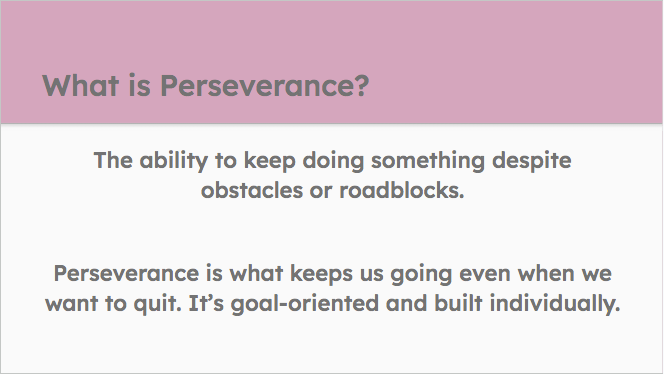
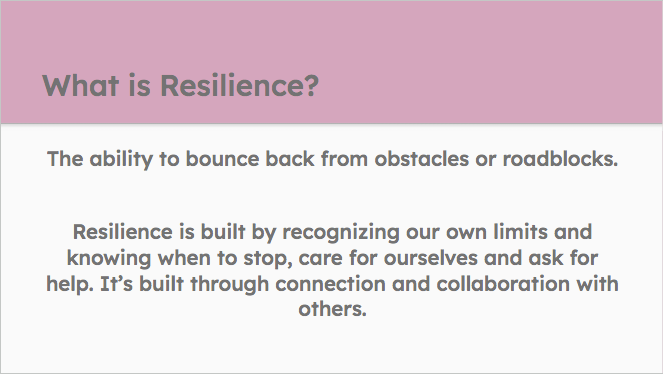
Now that kids know what resilience and perseverance are, we need to help them understand why these skills are important and how they will be beneficial to them.

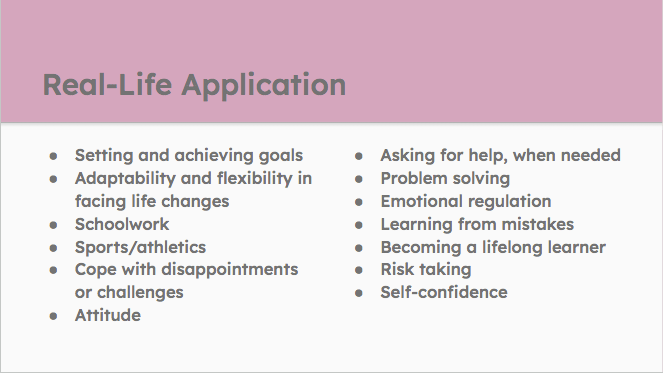
Next, we can begin connecting resilience and perseverance with kids’ real lives by helping them recognize what these skills actually look like and when they may come in handy!
Resilience is a skill that takes some time and support to fully develop. How can you aid your kids or students in resilience building this month and beyond?
Be sure to follow along all month right here on the blog, YouTube, Facebook, Instagram and LinkedIn. I will be sharing all sorts of tips, strategies and resources throughout May.
Empathy can be a very tricky skill to build in kids. Heck, lots of adults struggle to be empathetic!

Starting early with very young kids is key. Here are three activities/strategies that can be used with kids of all ages but are particularly beneficial to younger kiddos.
What other activities do you use to build empathy in your kids or students? I’d love to hear about them so please share!
Today, rather than share any strategies with you (which I’ll do next week), let’s talk about the very first step in conflict resolution – being able to recognize, identify and name our own emotions, also known as having self-awareness.
Think about it. If we are unable to identify what we are feeling, as well as the cause of that feeling, it’s going to be nearly impossible to recognize in another person. This lack of self- and social awareness will make it very difficult to resolve any type of conflict that may arise.
Aside from being a critical component of conflict resolution, these emotional awareness skills are really important in so many other facets of life – from emotional regulation to advocating for ourselves.
So how do we help kids build these muscles? Here are a few things you can start doing with kids of any age (but the earlier, the better!)…
What else is missing from this list? What do you do to build your kids’ emotional awareness muscles?

