Blog

New YouTube Series: Social-Emotional Learning


Click here to view Part I

I’ve been in a “series” kind of mood lately. I wrapped up the YouTube series on coping skills and decided to start a new one on social-emotional learning. Why? Because I am getting SOOO many questions on this topic right now, from educators and parents alike.

I think we’re all in this place where we realize that our kids/students are struggling (heck, WE are struggling!), but we’re just not really sure what else we can do to help them.

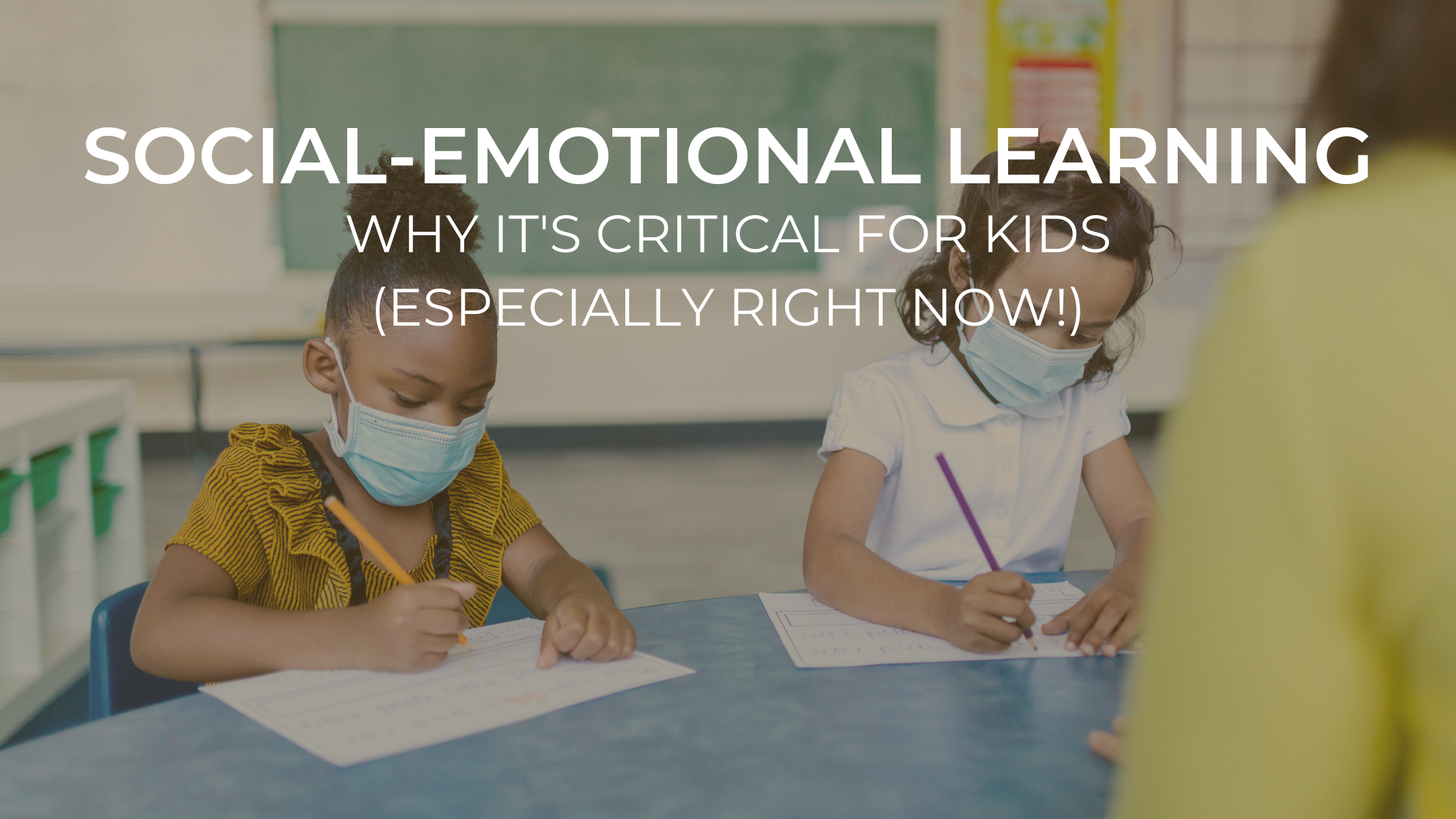
So let’s talk about it. What exactly IS social-emotional learning? How can we integrate it into our classrooms and homes? What does it look like? Over the next several weeks, we are going to tackle all these questions plus many, many more.

We will discuss the importance of social-emotional learning (although, I think most of us have been forced to figure that out in the past two years!), the competencies we can teach kids and specific strategies we can use at home or in the classroom.

I hope you’ll join me for this series, and when you do, don’t forget to subscribe to my YouTube channel so you don’t miss out on any of the great content I’m sharing!

New YouTube Series on coping skills

Check out my brand new 6 part series on coping skills over on YouTube! If you’ve ever felt angry, anxious or overwhelmed (and who hasn’t?!?), this topic is for you!

In Part 1, you will learn what coping skills are, why they are important and who might benefit from them (hint: EVERYONE!). You will also learn about the 5 categories that coping skills fall into.

In Parts 2-6, we will dive deeper into each of the 5 categories and identify specific skills within each one and when they might be beneficial to use.

Videos will drop on Tuesdays and Thursdays so be sure to follow my channel to get notifications! I hope you enjoy this series!

Social-Emotional learning & picture books (plus a big freebie!!)

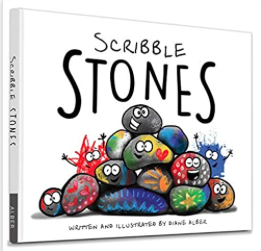
If you follow me on YouTube, you know that I’ve been sharing some of my favorite pictures books to support various areas of social-emotional learning. My belief in the power of picture books in the classroom, ANY classroom, rivals my belief in trauma-informed practices in schools. We don’t spend enough time reading aloud to students anymore or encouraging them to read for pleasure because time is not something we have in excess in classrooms these days. Unfortunately, most of us also don’t have the time to teach explicit social-emotional learning lessons to our students which is a shame because these skills are JUST AS CRITICAL as the reading and math skills we teach.

As educators, we have to get creative in sharing real literature with our students (especially if you have a reading curriculum that doesn’t value really excellent children’s literature). How do we do that? We embed as many awesome picture books, graphic novels and young adult literature into the instruction we already provide. Morning meeting, quiet time after recess, restroom breaks and before dismissal are all times that we can sneak in a great book and conversation. Read a book and use it as a springboard for a conversation on a specific SEL topic such as kindness, friendship or acceptance. Or use the books you already have to use for your reading and writing blocks. Just be sure to sprinkle in a question or thought, here and there, that align to an area of social-emotional learning.

Don’t think your middle or high schoolers will dig reading a picture book? Give it a try. I dare you. The older kids are often the ones that enjoy reading a picture book EVEN MORE than the younger ones. I speak from experience, I promise! If that feels out of your comfort zone, though, try a graphic novel or other young adult book. There is so much hidden wisdom in all types of children’s and young adult books.

Wondering where to start? Already on board but need more book ideas? Well, have I got a big surprise for you!It just so happens that I started a Google Doc of social-emotional learning picture books many moons ago that has morphed into a very large, curated list of books that is organized into 11 key areas of social-emotional learning. Those areas are:

  • Growth Mindset
  • Acceptance & Diversity
  • Self-Esteem
  • Friendship
  • Conflict Resolution
  • Social Problem Solving
  • Feelings & Emotions
  • Coping Skills
  • Self-Control
  • Bullying Prevention
  • Kindness

There’s even a couple of bonus sections!

Here’s the best part…I add to this list ALL THE TIME! So head on over to this link and bookmark the page. Since it’s a Google Doc, it will always be there. Once you have it bookmarked, you can refer back to it at any time and check out any new books I’ve added.

Have a book idea that’s not on the list? Email me at akedconsult@gmail.com. I’d love to hear from you!

Adverse childhood experiences: what are they and what can be done about them

Every time I present at a school or conference, I ask the question, “Who here knows what ACEs are?” and every time, I am astounded that rooms full of extremely knowledgable educators, school counselors and administrators have never even heard the term before. Every. Single. Time.

Now, to be clear, I’m not astounded because I expect them to know. Quite the opposite, in fact. I’ve trained enough educators and school staff to expect that only a handful of them will raise their hand when I ask the question. My astonishment stems from the fact that I want them to know. I want every educator in our country to have a clear understanding of what Adverse Childhood Experiences (ACEs) are, how they impact our students and what actionable steps can be taken to help prevent them. I want our education system to do a better job of preparing our teachers for the behaviors they will encounter due to trauma and chronic stress. I want these things because I believe the lack of understanding, and the many things that result from this lack of understanding, is one of the reasons the teaching profession boasts such high levels of burnout. Add to all this the fact that we now have MORE struggling kids than ever before.

So what are ACEs? And how will better understanding them help teachers and kids? Let’s start at the beginning. According to the CDC, ACEs are “potentially traumatic events that occur in childhood.” Think abuse, neglect, divorce of parents, incarceration of someone close to them, etc. Here’s the really bad news about ACEs, though – we are learning that they increase a person’s risk of developing a multitude of physical and mental illnesses later in life. Things like lung cancer, heart disease and diabetes, just to name a few. We also know that, in the short-term, ACEs (and trauma, in general) impact the brain and as a result, learning and behavior.

It follows then that trauma and chronic stress are major contributing factors in many of the academic and behavioral issues we see in students. Have you noticed an increase in negative or aggressive behaviors at your school or your child’s school this year? Schools all over the country are reporting this very thing. Why? Because we have a whole lot of kids living with the stress and anxiety of the COVID-19 pandemic, among other things.

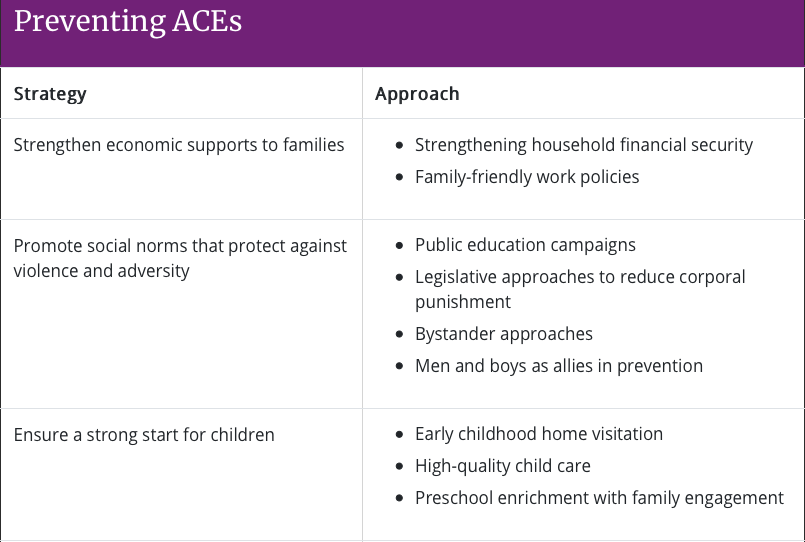
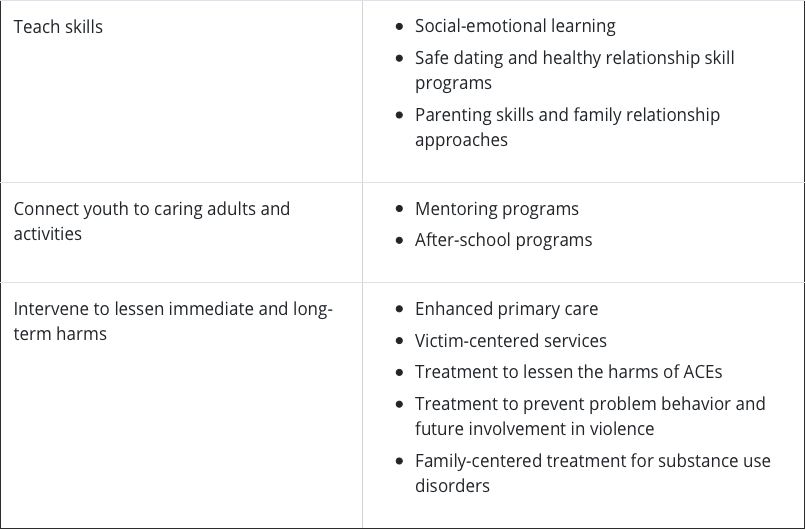
So the real question becomes – what can we, as educators and parents, do about this sticky situation we are in? Well, for starters, let’s check out this list of prevention strategies from the CDC’s ACE page which you can find here.

Now obviously, the reach of teachers only goes so far, but “Teach skills” and “Connect youth to caring adults and activities” lands directly in the laps of educators and school counselors. Our schools need to quickly realize that going about with a “business as usual” mindset is doing our students NO FAVORS. The world we are currently living in is far from “usual.” We need to prioritize the social-emotional health of every single child, if we ever hope to get them back on track. Now is not the time to try to “catch them up.” It is not the time to say, “We need to try to move on.” It is the time to realize that what our kids are experiencing is unprecedented and needs to be addressed. We need to help them process through the changes they’ve experienced, the emotions they’re feeling to help them understand they are not alone and provide them the tools to build resiliency.

Heck, think about how YOU have felt over the past 18 months. Do we expect that children should be able to ride that rollercoaster of emotions for so long, hop on off and just go about their business in ways that many adults have not been able to do? Of course not!

Wondering where to begin? I encourage you to check out all the information and resources on the CDC’s ACE page. There is so much to delve into there. If you’re wanting to learn more about incorporating trauma-informed practices or social-emotional learning into your classroom or school, email me at akedconsult@gmail.com. There is so much that we can do to help ALL students be successful at school right now.

New Training! – Building Emotional Intelligence Through Social-Emotional Learning

I’m so excited to introduce my newest trauma-informed schools training: Building Emotional Intelligence Through Social-Emotional Learning!

Since 2011, emotional intelligence levels have been declining across the globe. What does this mean? It means that our ability to be self-aware, feel motivation and to self-regulate, show empathy and communicate effectively is worsening. For children, this may result in a lack of understanding of emotions and the inability to correctly identify and appropriately express these feelings.

The great news about emotional intelligence is that it is not static! We can actually build our EQ muscles through a multitude of strategies. One of the most beneficial ways to do this in a school is through the implementation of social-emotional learning skills.

In this training, you will learn all about the topics above and so much more, including:

  1. What is Emotional Intelligence?
  2. The importance/benefits of Emotional Intelligence
  3. The 5 components of Emotional Intelligence
  4. Specific strategies for building Emotional Intelligence
  5. Helping students recognize, identify and regulate their emotions
  6. De-escalation and mindfulness strategies
  7. The 11 key areas of Social-Emotional Learning
  8. Specific strategies for building SEL skills

Want to learn more or get a training scheduled? Contact Alisa today at akedconsult@gmail.com.

New Resource! – Building a Trauma-Informed Classroom Video Series

Get the video series here!

Are you ready to build a more trauma-informed classroom or school? If so, this video series is for you. Whether you are a teacher, administrator, school counselor or support staff member, there is something for everyone in these courses.

In this series, I will take you through the basics of trauma, how trauma impacts students in the school setting and specific strategies you can implement to help build resilience in your students.

Course 1 focuses on understanding the basics of trauma in our society, why schools should be trauma-informed and how to recognize the characteristics of trauma in children of various ages.

Course 2 focuses on understanding how traumatic experiences impact the brain and learning. You will learn how the flight/fight/freeze response works, how the stress response can be turned off and the benefits of mindfulness.

Course 3 focuses on understanding how traumatic experiences impact student behavior and how to implement a more trauma-informed classroom management system. You will learn about private logic and how that drives behavior and how to evaluate the pros and cons of the classroom management system you use.

Course 4 focuses on 10 specific strategies that can be used to build a more trauma-informed classroom. You will learn about the guiding principle of all 10 trauma-informed practices and reflect on the culture and climate of your own classroom in order to assess where improvements can be made.

Be sure to check out the video series bundle here, as well as all the resources in my TPT store that support the content in the videos!

Summer Self-Care Tips for Teachers

Photo by Quang Nguyen Vinh on Pexels.com

If you’re anything like EVERY SINGLE teacher I know, you are more than ready for summer break! Especially after this hot mess of a school year! All I can say is that every single teacher on planet Earth deserves an all-expenses paid 3 month vacation to a place like the one pictured above. If, for some reason, that doesn’t happen, consider these tips for making the most of your break while also caring for your mental and physical health.

  • Take an ACTUAL break! Teachers, I know you…I WAS you. You can’t stop living, breathing and sleeping teaching. You are constantly thinking about next year – how to improve, what things to do differently, what your classroom theme will be, the list goes on and on. It’s what makes you such a phenomenal educator. I’ve got news for you, though, you have to find this little thing called balance. It’s not easy, but it’s necessary. Stay out of the school building and the school supply aisles and off Pinterest and Teachers Pay Teachers. If you just HAVE to work, set aside one day per week or certain hours of the day and STICK TO THIS. If you don’t, your summer will be over in a heartbeat, and you won’t feel one bit rested or recharged.

  • Do the things that bring you joy! Remember those things you used to have called hobbies? It’s time to take those up again. Whether it’s cross stitching or reading, yoga or traveling, now is the time to start doing the things that make you happy. Even if it’s just one day a week, participating in a hobby is great for your mental health.

  • Move your body! I know, I know…this one’s on every list. There’s a reason for that, though. Your body needs those endorphins. Get started now, and you will discover how much better you feel, both physically and mentally by the time fall rolls around.

  • Don’t let guilt get in your way! You’re going to feel guilty…I know you are, but DON’T! Do not let the feelings of guilt creep in. You know…the feelings that you’re not working hard enough (you’re not supposed to be!) or that you need to use your time wisely (you do, but not in the way you’re thinking!). This past year has been tough on everyone, but good grief, teachers have been asked to pivot one million times. Now it’s time to give yourself grace and recognize that your body and mind need recharged.

  • Keep an eye on your teacher friends! If you’re reading this and thinking, “Yes, I’m doing all these things this summer. I don’t want to think about school for one single minute.”…KUDOS to you! I guarantee, though, that you know oodles of teachers who want to believe this, want to follow in your footsteps, but just. can’t. do. it. Check in on them. Remind them of the importance of recharging their minds and bodies. They need to do it for themselves, their families and their future students.

  • HAVE FUN!! More than anything, go have some fun! 2020 was not fun. The first part of 2021 was not fun. Things are getting better now so go enjoy a dinner out, a concert or a night out with friends. You deserve it! Thank you for all that you do!

Summer Survival Tips for Parents

Photo by Julia Kuzenkov on Pexels.com

If you’re anything like me, you are currently feeling a healthy dose of nerves and fear as the kids are excitedly counting down the days to summer break (and dreaming of the picture above). No? Just me? I hope I’m not alone here!

While I love my kids (obviously), they are a lot of work. They need a lot of things…everyday. Things like breakfast, snacks, lunch, more snacks, attention, entertainment, another snack (why do they eat SO much??). I knew this when I signed up for motherhood, but geesh!

These past 15 months have been a whirlwind of fear, transition and emotional ups and downs. Every time we get settled into a routine, it’s back to virtual learning…or in-person learning…or winter break. This would be fine if I had no other responsibilities in life, but I do (along with every other parent in the universe). I have this little thing called a job, and summer and fall happen to be my busiest times of the year.

So…I’m just a *little* nervous about having 3 kids at home with me and trying to figure out how to juggle ALL THE THINGS. Anyone with me here?

In order to prevent a full-blown panic attack, I decided to sit down and plan out our summer as best I could. I listed out my needs (work-related and personal) and mapped out all the vacation and camp weeks. My kids and I also made a summer bucket list. This is something we do each spring. Basically, it’s a list of things they’d like to do or places they’d like to go. We keep it fairly simple. This year’s list is full of parks, the library’s summer reading program, picnic dates with friends and pool time.

Then, my husband and I sit down and figure out the carpool situation and how to break up the work day so that I can actually accomplish the things on my to-do list. I also brainstormed a few other ways to ensure we all come out of this summer unscathed. Here they are:

  1. Map Out a Daily Routine…and Stick with It!

Our kids crave consistency. If there’s one thing that’s been missing during this pandemic, that would be it. Map out a daily schedule that works for your family and stick with it. I don’t mean plan out every minute of every day, but do have a rough plan for each day. Factor in breakfast, lunch and snack times and time for chores, reading and other activities. Be specific about if and when screen time will be allowed. Use timers on your smart devices to hold your kids (and yourself!) accountable.

2. Have a Daily Quiet Period

Perhaps your kiddos are still little and take naps. Hooray! Unfortunately, we are past that stage at my house. However, I am instituting a quiet hour each day this summer. The kids and I have chosen 4 separate locations in our house (bedroom, playroom, living room and porch) where we will spend one hour everyday. This is time for me to work and them to do a quiet activity such as reading, puzzles, rest or quiet play. I have discussed my expectations for this time so they know what they may and may not do, as well as the purpose of this time being to rest and recharge (them) and work (me). This is also a great time for kids to practice mindfulness activities which will help with emotional regulation. There are tons of great resources out there such as yoga cards, mindfulness picture books, etc. that you can tap into.

3. Schedule One-on-One Time with Each Child

I have one child who is really struggling with reading. She is getting a lot of extra help at school and does tutoring 2 afternoons a week. It will be critical for her to continue being exposed to books and practicing reading every single day over the summer. Since my kids typically play really well in pairs (not as much in 3s), I decided to set aside time each day for me to spend one-on-one with each of my kids. During this time, the other 2 will occupy each other outside or in another room. This way, I can work on reading with one kiddo, emotional regulation strategies with another and basic preschool skills with the third. Everyone gets what they need and gets bonus time with mom! It’s a win-win!

4. Plan Your Weekly Activities/Outings

Remember how I mentioned the summer bucket list? This is where those activities come into play. Each week, we will choose the activities we are going to do, based on the weather, what camps or other commitments we have, etc. I typically have my kids take turns choosing the activities so that everyone’s choices are honored. Our rule is, if you whine and complain about someone else’s choices, you lose your next opportunity to choose. We do not do one activity or outing everyday. Some days, I cave and let them have screen time. Other days, they are having a blast playing outside with neighbors, and I’m not about to interrupt that! It is nice to have something to look forward to each week, though!

5. Take Time for Yourself

Be sure to schedule in time for YOU! You know those things that just help you feel like the best version of yourself? Make sure those things are on the calendar! Whether it’s exercise, time to read, get a massage or veg out with Netflix, it’s imperative you MAKE the time to do them. It’s for your own sanity. You will a better parent if you’re taking care of yourself as well!

6. Give Yourself Grace When Everything Blows Up in Your Face 🙂

It’s going to happen. I know and you know it. On the days that it inevitably happens, give yourself grace, bust out the iPads (or sprinklers, or popsicles, or whatever will help you get through the day) and remind yourself that tomorrow will be better!

Hopefully, you’ve gotten some good tips for surviving the summer and you’re ready to tackle the challenge! Have a tip that wasn’t mentioned? Share it with us!

Teacher Appreciation Week Special!

Find out more here

Contact me today for more information on scheduling and pricing. All trainings can be done in-person or virtually and are customizable to fit your schools’ needs and budget. Don’t miss out on the opportunity to bring this critical professional development to your staff! Check out my Facebook page here!Â