MARCH 2024 SEL THEME – CONFLICT RESOLUTION & PROBLEM SOLVING – Strategies for Teachers & parents

As promised last week, today I’m sharing a few great conflict resolution/problem solving strategies for kids.

  1. ASWATA – This stands for ask the person to stop, walk away, talk to an adult. This strategy is one to teach kids to use when someone is bothering them or they are dealing with a minor annoyance. First, we politely ask the person to stop doing whatever it is they are doing. If they don’t stop, we walk away. If they continue or follow us, that’s when we talk to an adult. This is a simple strategy that can be used to solve all sorts of minor conflicts between kids in the classroom or at home and puts the focus on the child solving the problem, not the adult.
  2. “I feel…” Statements – I feel statements are a critical component of the conflict resolution process. Why? Because rather than pointing the finger at the other person (which often leads to more anger and hostility), they put the focus on how that person’s actions made you feel. For example, saying “You never listen to me” is just an invitation to escalate a conflict. The other person will go on the defensive, and before you know it, the conflict has grown beyond its initial problem. However, saying “I feel frustrated and hurt when it seems like you aren’t listening to me” is not nearly as defense-inducing and potentially hurtful. Additionally, it’s hard for the other person to argue how you feel and these statements open the possibility of an honest conversation versus an anger-filled fight.
  3. Rock, Paper, Scissors – As a teacher or parent, you probably already know that a large percentage of the conflicts our kids encounter are minor and don’t require extensive problem solving. In fact, some of them are so minor that a quick game of Rock, Paper, Scissors can get the problem solved and all parties moving on with life quickly. It’s a simple but effective strategy for things like who gets the front seat of the car or the line leader position. Don’t waste a bunch of time on these conflicts AND put the ball in the kid’s court! This is the perfect time for them to practice their problem solving skills!

These are just a few of the hundreds of problem solving strategies we can teach our kids, but they have served me well as a teacher and a mom! What are some of your go-to problem solving strategies?

MARCH 2024 SEL THEME – CONFLICT RESOLUTION & PROBLEM SOLVING – Recognizing, Identifying and Labeling Emotions

Today, rather than share any strategies with you (which I’ll do next week), let’s talk about the very first step in conflict resolution – being able to recognize, identify and name our own emotions, also known as having self-awareness.

Think about it. If we are unable to identify what we are feeling, as well as the cause of that feeling, it’s going to be nearly impossible to recognize in another person. This lack of self- and social awareness will make it very difficult to resolve any type of conflict that may arise.

Aside from being a critical component of conflict resolution, these emotional awareness skills are really important in so many other facets of life – from emotional regulation to advocating for ourselves.

So how do we help kids build these muscles? Here are a few things you can start doing with kids of any age (but the earlier, the better!)…

  1. Talk about feelings openly and honestly in your home or classroom. We shouldn’t hide them or be ashamed of how we’re feeling. A safe, loving environment is a must in encouraging kids to share their feelings.
  2. Model, model, model. Constantly talk through how YOU are feeling in different situations. Not only will you send the message that it’s ok to share their feelings, you will also be giving them the vocabulary to do so.
  3. Teach emotion vocabulary words. Kids need to know how to label their emotions, and they need more words than just sad, glad and mad! Dig deep with them to get to the root of what they’re feeling and provide them the words until they’re able to do it on their own.
  4. Help kids to understand that feelings are information. We have to pay attention to them to help us decipher the message. Then, we are able to begin the problem solving process.

What else is missing from this list? What do you do to build your kids’ emotional awareness muscles?

March 2024 SEL THEME – Conflict Resolution & Problem solving – AN INTRODUCTION

Welcome to March and our 3rd social-emotional learning theme of the month! This is a tricky one for many of us so buckle up for some great information and strategies!

In this first week of the month, we will define our theme, discuss why it’s an important SEL skill and talk real-world application. This will serve as a springboard for the resources and other ideas I will be sharing throughout the remainder of the month.

So, let’s dive in!

What are conflict resolution and problem solving exactly? Here’s a good starting point to use with kids of all ages. You can adjust this definition to best fit the needs of the age group you work with. I know many of these themes are pretty self-explanatory, but sometimes we just need someone else to sum it up for us!

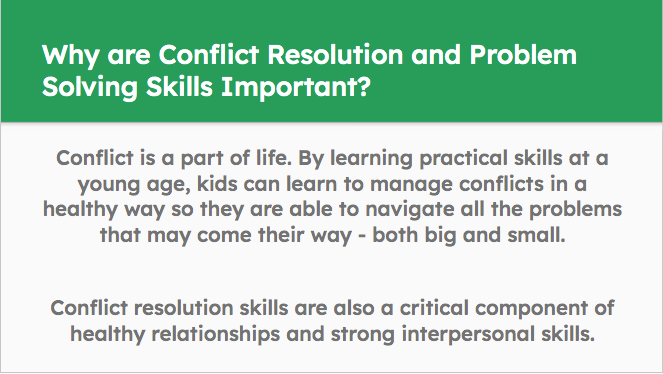
Now that kids know what conflict resolution means and what problem solving skills are, we need to help them understand why these skills are important and how they will be beneficial to them.

Next, we can begin connecting conflict resolution and problem solving with kids’ real lives by helping them recognize the many skills that are part of conflict resolution…and it’s a long list!

I know this is a tricky skill to learn, especially since many of our students are learning to resolve conflict in ways that seemingly go against everything we are trying to instill in them. How can you combat that and make these skills a priority this month (and beyond) for your kids or students?

Be sure to follow along all month right here on the blog, YouTubeFacebookInstagram and LinkedIn. I will be sharing all sorts of tips, strategies and resources throughout March.

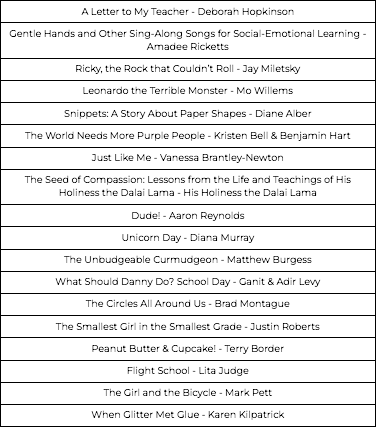
February 2024 SEL THEME – Kindness – PICTURE BOOKS

Looking for a curated list of mentor texts to use during a kindness unit or lesson? Look no further!

I also shared about a few of my absolute favorite books on kindness on YouTube earlier this week. You can watch the video here.

What other books would you add to this list? I’m sure there are so many good ones out there that I don’t even know about!

February 2024 SEL THEME – Kindness – TIPS & STRATEGIES FOR PARENTS

As parents, we all know the types of things we need to do to raise kind kids. We set expectations for manners, we model through our words and actions, we correct when we see fit.

One thing that can be tricky about teaching kindness to kids, though, is something that even adults often struggle with – how to be kind and take the high road when being kind is hard.

We’ve all encountered situations where someone has been extremely unkind to us, bullied us or lashed out at us for no reason. In those instances, being the bigger person can be especially difficult.

Now imagine being a kid and trying to make the right choice in one of those situations.

What can we do to help our kids not react in these situations but instead, take the high road and continue to be kind? Here are a few tips…

  1. Put yourself in their shoes – This can be hard, but sometimes putting ourselves in another person’s shoes brings out empathy rather than anger. This is certainly not an easy skill to build, especially for kids, but it is one that is so important so start building those muscles now!
  2. Practice – Set kids up for success by practicing what to say to someone who is grieving, going through something difficult, is differently abled, etc. Oftentimes, kids are unsure of what to say or how to react in situations like these, and that uncertainty can come off as fear or unkindness. Prep them ahead of time by practicing what is appropriate and what’s not.
  3. Walk away – Sometimes it’s better to just disengage and walk away.
  4. Apologize – Teach your kids to apologize! There are going to be times when they mess up, don’t take the high road, etc., and that’s ok. In those situations, they need to know how to genuinely apologize. Model this for them by apologizing when YOU are unkind.

Being kind to someone who is being unkind to us is a hard skill for anyone to learn. Start building their emotional regulation muscles early with these tips.

What else would you add to this list?

February 2024 SEL Theme – Kindness – An Introduction

Our second monthly SEL theme is perfect for the month of February – kindness!

In this first week of the month, we will define our theme, discuss why it’s an important SEL skill and talk real-world application. This will serve as a springboard for the resources and other ideas I will be sharing throughout the remainder of the month.

So, let’s dive in!

What is kindness exactly? Here’s a good starting point to use with kids of all ages. You can adjust this definition to best fit the needs of the age group you work with. I know this one is pretty self-explanatory, but sometimes we just need someone else to sum it up for us!

Now that kids know what kindness is, we need to help them understand why it’s important and how it will be beneficial to both others and themselves.

It’s critical to help kids understand that modeling kindness is one of the best ways to build a happier world because kindness is CONTAGIOUS!

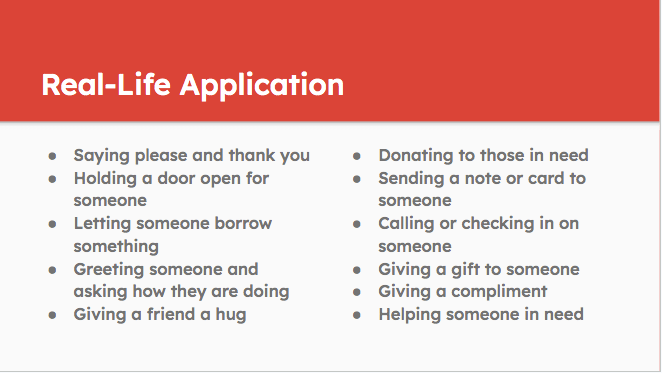
Next, we can begin connecting kindness with kids’ real lives using the list below.

What other ways do you show kindness in your own life? This is something I’ve been thinking a lot about over the past few days and something I want to really highlight for my kids this month. I’ve already done a few small acts of kindness, and I have several more (both big and small) planned.

How can you make kindness a priority this month (and beyond) for your kids or students?

Be sure to follow along all month right here on the blog, YouTubeFacebookInstagram and LinkedIn. I will be sharing all sorts of tips, strategies and resources throughout February.

JANUARY 2024 SEL THEME – GOAL SETTING – Wrapping up

Well, it’s time to wrap up our very first SEL theme of the month – goal setting. If you’ve been following along and setting goals for yourself or with your kids or students, you might be wondering how to keep the momentum going throughout the year.

Here are a few things you can do to ensure achievement of your goals:

  1. Break them down into smaller pieces – It’s a dream for a reason! It’s going to take time and effort to achieve. Do yourself a favor and break it down into more manageable chunks.
  2. Celebrate the small wins – Don’t wait until you achieve the goal to celebrate! Celebrate all the small successes you have along the way. You deserve it!
  3. Be consistent – It takes time and consistency to achieve a big goal. Keep at it and try not to get discouraged when it takes longer than you think it should.
  4. Stay organized – Have a system in place to map out the small steps you will take to reach your goal. Write it in your planner, add it to your calendar – whatever it takes to keep you on track!
  5. Visualize your success – What will it look like, feel like, sound like, etc. when you achieve your goal? Visualize every little detail of that success!
  6. Set up an accountability system – Find yourself an accountability partner to keep you focused and on track.

Now that you are well on your way to achieving your goal for the year, you may be wondering where we are heading for February and our next SEL theme. Well, I’ll tell you…tomorrow!

JANUARY 2024 SEL THEME – GOAL SETTING – Resources and Picture books

As we begin to wrap up this first social-emotional learning theme of the year, I want to share a few resources that I have come across over this past month. These can be used by parents or teachers, at home or in the classroom.

  1. This is a great list of goal-setting activities from Big Life Journal. Some are individual, some can be done as a family and many can be adapted to work in a classroom.
  2. Also from Big Life Journal, check out this handy dandy set of tips for goal-setting with kids.
  3. This is a great set of activities from Edutopia to foster a goal-setting mindset in the classroom.
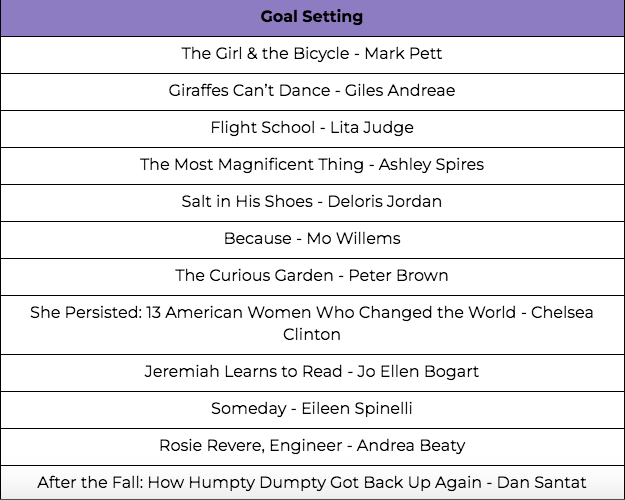
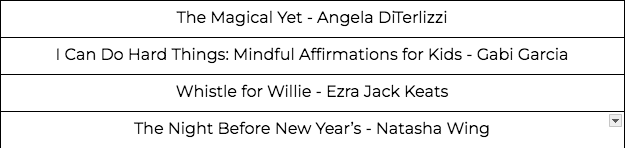
  4. Below is the list of picture books I have curated over the past month while researching goal-setting.

Be sure to check out my YouTube channel for so many other goal-setting activities and resources! I hope you’ve enjoyed this first SEL theme of 2024! I will be announcing February’s theme very soon!

JANUARY 2024 SEL THEME – GOAL SETTING – TIPS & STRATEGIES FOR Teachers

In last week’s blog, I talked about setting goals with kids and what that looks like at my house. This week, we are going to dig deeper into the idea of goal setting and take a look at two strategies that are beneficial in helping us achieve our goals.

First, let’s talk about visualizing our goals. This is a strategy that many athletes, performers and businesspeople use regularly. The idea is that we visualize every small detail of our race, performance, goal, etc., from the very beginning to the very end. We focus on our five senses to help us really feel as though we are experiencing the achievement. We acknowledge any obstacles that we may face and work through how we might overcome them. We see ourselves celebrating the accomplishment of achieving our goal.

The second strategy is the use of affirmations to help us overcome challenges while working toward our goal and remind us that we can accomplish what we set out to do. An affirmation can be a statement or mantra that you write down, read and repeat regularly. It’s basically putting the power of positive thinking to work for you.

Examples include:

  1. I can do hard things.
  2. I will overcome every challenge that is put in front of me while working toward my goal.
  3. I will achieve my goal.

Of course, you can add more detail to make the affirmation more specific to your goal.

Affirmations are great to write down and post in an area where you can read them regularly. They can stay the same for as long as you want/need or you can change them up daily/weekly/monthly to fit your needs at the time.

Here’s your homework for today…think about a big goal you have for this year. How can you incorporate visualization and affirmations into your routine to help you achieve your goal?

Once you’ve had practice with each of these strategies, think about how you can introduce them to students. Help them make connections between visualization that we use while reading, visualization we use to calm down and this type of visualization. Similarly, make connections between using affirmations for a self-esteem or self-confidence boost and for goal setting.

There are so many great ways to use these strategies with kids, especially since they are both fairly multi-purpose strategies! How do you foresee these strategies working in your classroom or home environment?

January 2024 SEL Theme – Goal Setting – Tips & Strategies for Parents

Every year in January, each of my kids and I set a goal for ourselves for the new year. It’s typically a new skill we want to learn or something big we are challenging ourselves to complete.

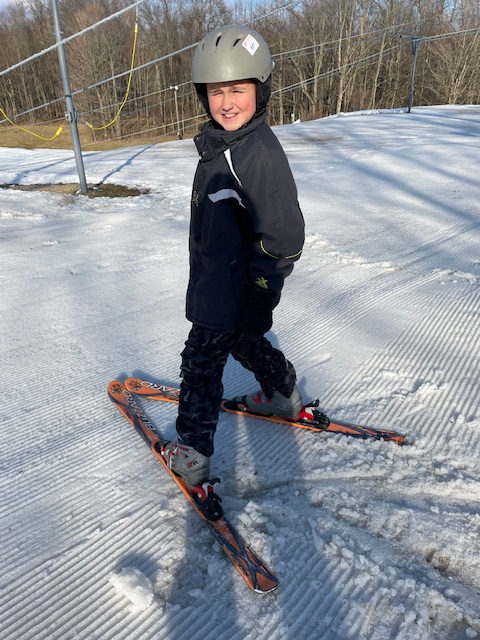
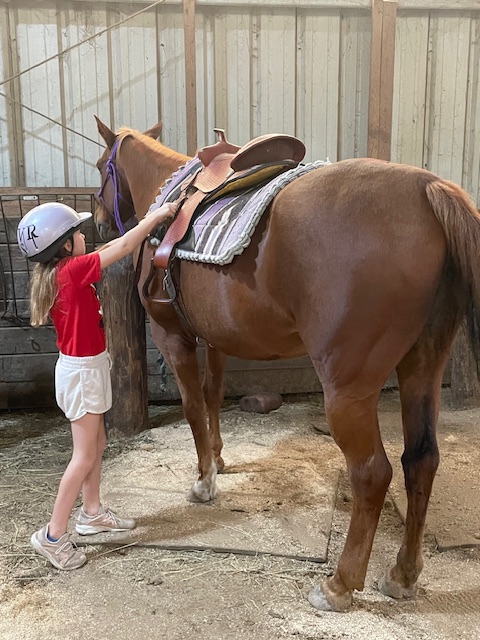
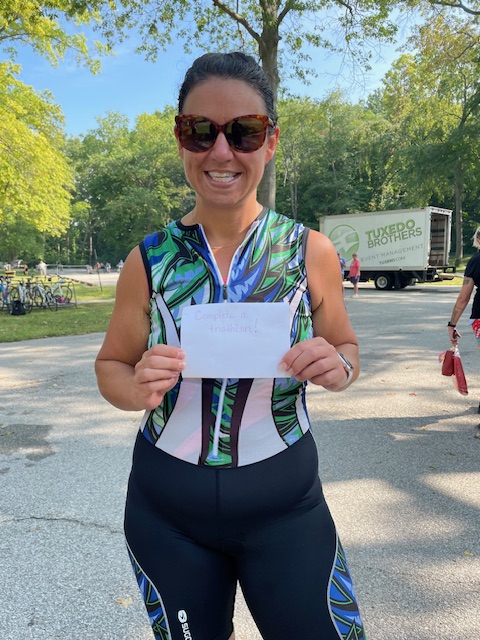
Two years ago, my oldest child’s goal was to learn to ski and my middle child’s goal was to learn to trot on a horse. In true youngest child fashion, for the life of me, I cannot remember what my littlest’s goal was…ha! My own goal was to complete a triathlon.

His first time hitting the slopes

After some time spent thinking and brainstorming, we write our goals on index cards and hang them up on the refrigerator where we can see them each and every day. We also discuss the steps we will need to take to accomplish our goal.

This is where we come in as parents because typically, our kids’ goals will involve us to some extent. In the case of the goals I talked about above, I had to commit to finding the time to take my kids skiing and horseback riding regularly so they could practice.

I find that it’s helpful to get dates on the calendar as early as possible so I don’t feel like we’re scrambling at the last minute. This also sends the message to kids that their goals are important to us and that we are invested in helping them succeed.

Grooming her favorite horse, Jake

Since beginning this goal setting project a few years ago, I have created this resource to help my kids in setting their goals and identifying their action steps. It’s a simple way to help guide their thinking.

As you begin thinking about setting goals with your kids, here are a few things to keep in mind and/or discuss with them:

  1. Goals can be big or small, but I encourage my kids to make this a BIG goal since they have all year to work on it.
  2. Encourage them to think outside the box. What is something they’ve always wanted to try? What is a new skill they’d like to learn?
  3. Have them help you plan out the action steps/get dates on the calendar. It’s their goal; they need to own it.
  4. Celebrate the small wins! As they inch closer to achieving their goal, get excited about the small steps they take along the way. This will help keep their momentum going as well!
  5. Discuss failure. What happens if they don’t achieve their goal? How might they feel? What might they be able to do differently in the future? Reassure them that failure is possible and OK! It happens to all of us!
  6. Celebrate the accomplishment! Make a big deal when they reach their goal! In our house, we write the date the goal was accomplished on the index card and take a picture of the person with their card to commemorate the achievement. We also keep all of their index card goals in their “box of memories” so they can look back on them later in life.
I even brought my index card goal with me to the triathlon so I could take a picture as soon as I finished!

If you try this strategy with your kids, I’d love to hear what some of their goals are for 2024! What are your own goals?