Social-Emotional Learning

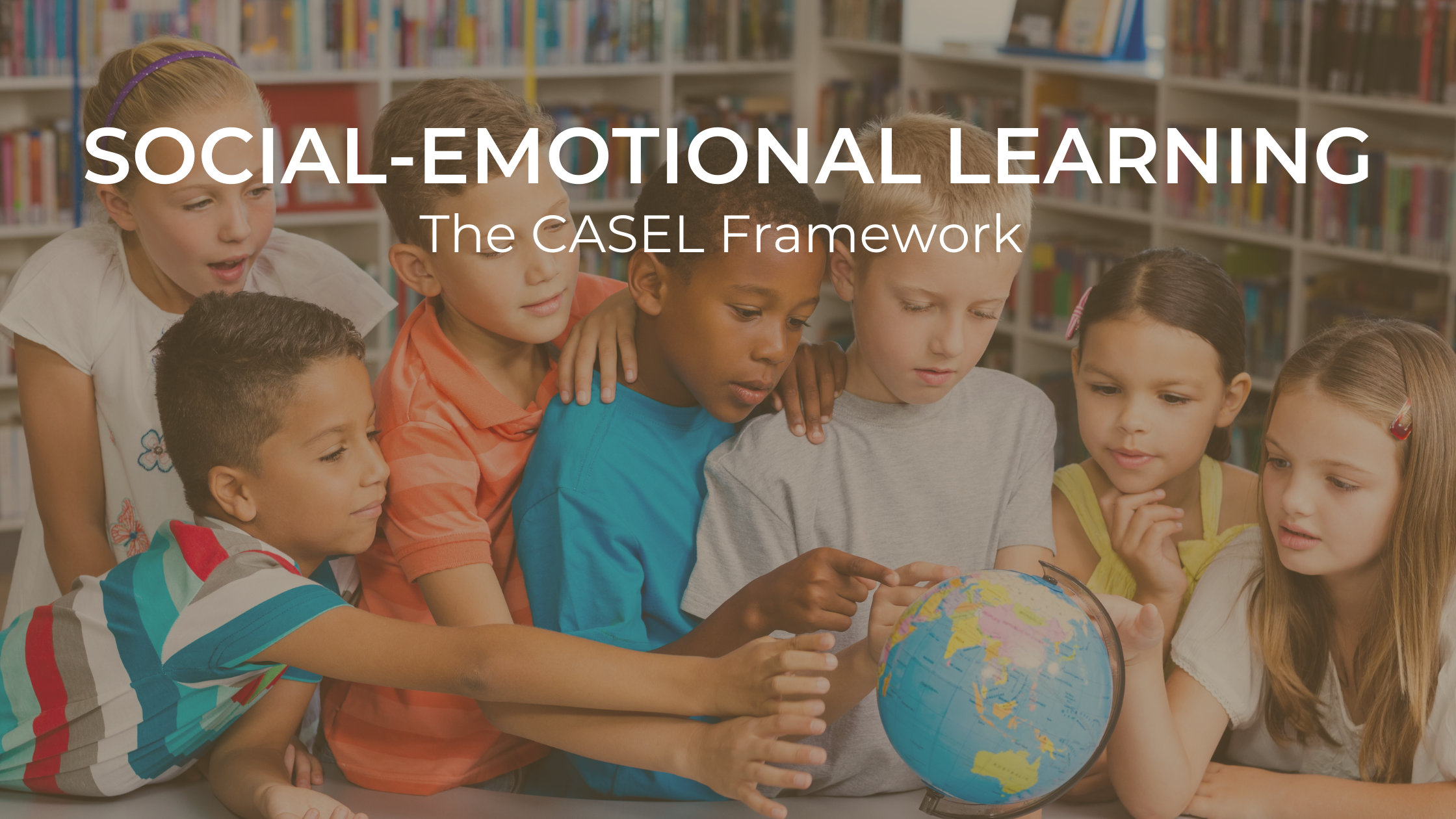
If you’ve been following along with the news recently, you’ve probably run across articles similar to this one, in which the benefits and necessity of addressing social-emotional learning (SEL) skills in schools are called into question. In my home state of Indiana, the debate has now reached the state legislature, where the Indiana General Assembly is currently hearing testimony on House Bill 1134 that states, in part, that schools must obtain written parental consent PRIOR to providing certain mental, social-emotional or psychological services to students. Who knows exactly what is meant by the vague language included in the bill, but one thing is certain – educators and other proponents of SEL are NOT happy.

Why? Because they know firsthand what the research has been saying for a long time – explicit instruction in SEL leads to improved academic performance, improved classroom behavior, increased ability to cope with stress and a more positive outlook on life. Additionally, the benefits are LONG-TERM, meaning the research shows a strong correlation between social-emotional learning and higher emotional intelligence later in life.

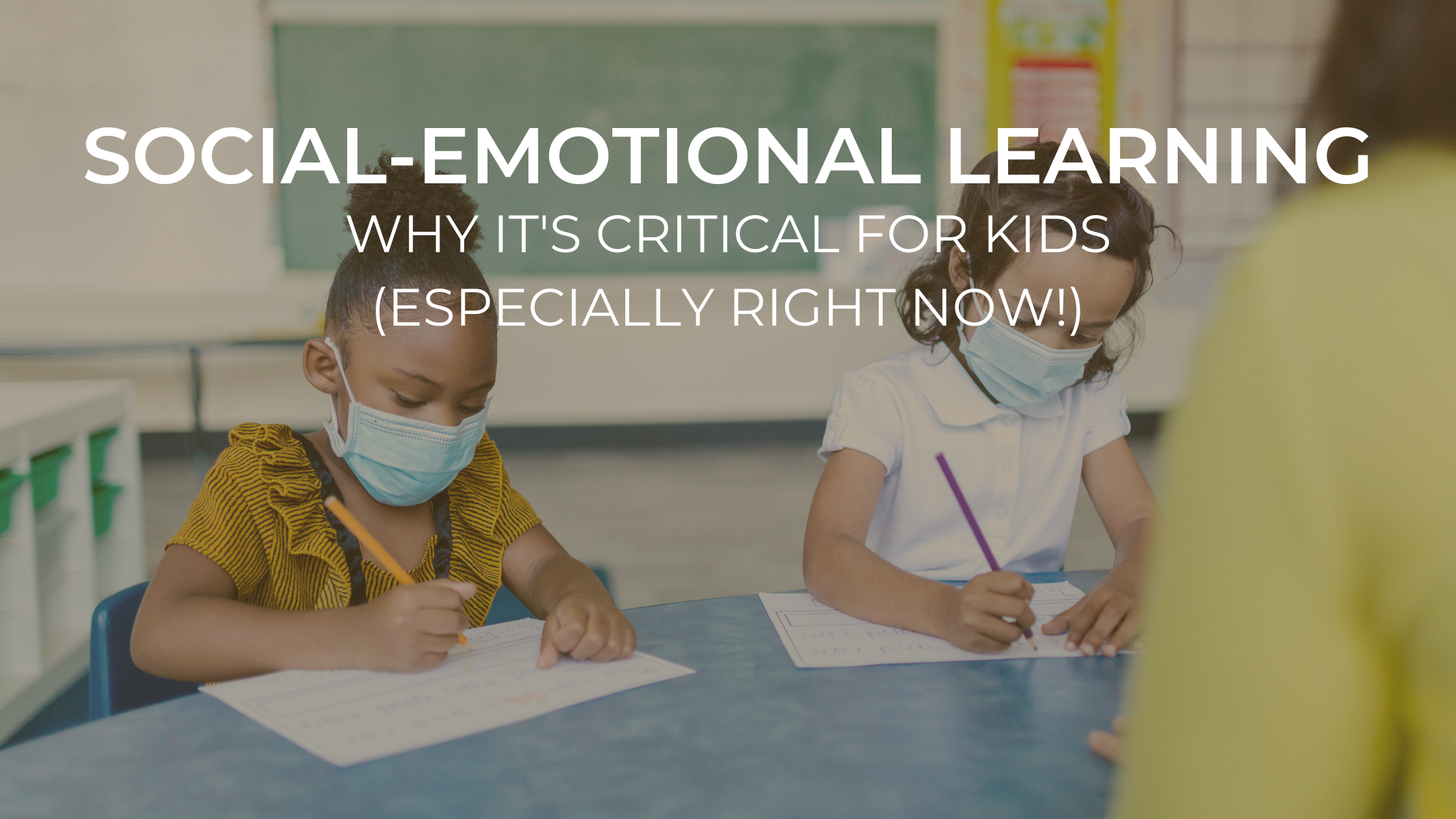
With most kids returning to in-person learning this school year, one thing is certain. All of our kids are struggling. I hear the same thing over and over again, from principals from California to Florida and everywhere in between. Students are struggling to focus, they are apathetic and giving up easily when the work gets tough, they are having a hard time appropriately communicating with their peers. The list goes on and on.

The good news (if we can call it that) is that the behaviors that kids are exhibiting are consistent. It doesn’t seem to matter where you live, what socio-economic group you belong to, etc. The social-emotional impacts of the COVID pandemic seem to be equal opportunity. Heck, even my own kids are seriously struggling in many ways…and they are living a much more ideal reality than many kids!

The question becomes…what do we do to help our kids? Well, the answer is simple and utterly complicated at the same time. The short answer is we start focusing on critical social-emotional learning skills and providing kids tools for their toolboxes. What do I mean by that? I mean that we dedicate time and planning to ensure that social-emotional learning skills are explicitly taught to kids. Of course, we all know that time is not something that teachers have an abundance of, and we certainly know that our teachers are already doing the job of 184 different people on any given day (this is the complicated part).

Here’s the good news, though…there are many SIMPLE things that we can begin doing in our classrooms and homes to better support the social-emotional health of our kids. Many of these things don’t take a lot of time or cost any money either. These are simple ideas, books and activities to springboard a conversation with kids about social-emotional learning skills such as friendship, social problem solving or self-esteem.

I’m currently sharing a series of videos on this very topic over on my YouTube channel, if you’re looking for some quick and easy ideas on how to get started at home or school.

Going forward, it is going to be critical for school administrators and parents to recognize the importance of supporting social-emotional learning at school. We are living in a world much different than any of us has ever experienced, and unfortunately, it has taken a serious toll on one of our most vulnerable populations – school-aged children. The sooner we accept this as our current reality, the sooner we can take steps toward changing this reality for the future.

**If you’re looking for resources on social-emotional learning, please check out my TPT store here or contact me at akedconsult@gmail.com to find out more about the professional development and consultation services I offer to schools.

New YouTube Series: Social-Emotional Learning


Click here to view Part I

I’ve been in a “series” kind of mood lately. I wrapped up the YouTube series on coping skills and decided to start a new one on social-emotional learning. Why? Because I am getting SOOO many questions on this topic right now, from educators and parents alike.

I think we’re all in this place where we realize that our kids/students are struggling (heck, WE are struggling!), but we’re just not really sure what else we can do to help them.

So let’s talk about it. What exactly IS social-emotional learning? How can we integrate it into our classrooms and homes? What does it look like? Over the next several weeks, we are going to tackle all these questions plus many, many more.

We will discuss the importance of social-emotional learning (although, I think most of us have been forced to figure that out in the past two years!), the competencies we can teach kids and specific strategies we can use at home or in the classroom.

I hope you’ll join me for this series, and when you do, don’t forget to subscribe to my YouTube channel so you don’t miss out on any of the great content I’m sharing!

New Training! – Building Emotional Intelligence Through Social-Emotional Learning

I’m so excited to introduce my newest trauma-informed schools training: Building Emotional Intelligence Through Social-Emotional Learning!

Since 2011, emotional intelligence levels have been declining across the globe. What does this mean? It means that our ability to be self-aware, feel motivation and to self-regulate, show empathy and communicate effectively is worsening. For children, this may result in a lack of understanding of emotions and the inability to correctly identify and appropriately express these feelings.

The great news about emotional intelligence is that it is not static! We can actually build our EQ muscles through a multitude of strategies. One of the most beneficial ways to do this in a school is through the implementation of social-emotional learning skills.

In this training, you will learn all about the topics above and so much more, including:

  1. What is Emotional Intelligence?
  2. The importance/benefits of Emotional Intelligence
  3. The 5 components of Emotional Intelligence
  4. Specific strategies for building Emotional Intelligence
  5. Helping students recognize, identify and regulate their emotions
  6. De-escalation and mindfulness strategies
  7. The 11 key areas of Social-Emotional Learning
  8. Specific strategies for building SEL skills

Want to learn more or get a training scheduled? Contact Alisa today at akedconsult@gmail.com.

New Resource! – Building a Trauma-Informed Classroom Video Series

Get the video series here!

Are you ready to build a more trauma-informed classroom or school? If so, this video series is for you. Whether you are a teacher, administrator, school counselor or support staff member, there is something for everyone in these courses.

In this series, I will take you through the basics of trauma, how trauma impacts students in the school setting and specific strategies you can implement to help build resilience in your students.

Course 1 focuses on understanding the basics of trauma in our society, why schools should be trauma-informed and how to recognize the characteristics of trauma in children of various ages.

Course 2 focuses on understanding how traumatic experiences impact the brain and learning. You will learn how the flight/fight/freeze response works, how the stress response can be turned off and the benefits of mindfulness.

Course 3 focuses on understanding how traumatic experiences impact student behavior and how to implement a more trauma-informed classroom management system. You will learn about private logic and how that drives behavior and how to evaluate the pros and cons of the classroom management system you use.

Course 4 focuses on 10 specific strategies that can be used to build a more trauma-informed classroom. You will learn about the guiding principle of all 10 trauma-informed practices and reflect on the culture and climate of your own classroom in order to assess where improvements can be made.

Be sure to check out the video series bundle here, as well as all the resources in my TPT store that support the content in the videos!

Summer Self-Care Tips for Teachers

Photo by Quang Nguyen Vinh on Pexels.com

If you’re anything like EVERY SINGLE teacher I know, you are more than ready for summer break! Especially after this hot mess of a school year! All I can say is that every single teacher on planet Earth deserves an all-expenses paid 3 month vacation to a place like the one pictured above. If, for some reason, that doesn’t happen, consider these tips for making the most of your break while also caring for your mental and physical health.

  • Take an ACTUAL break! Teachers, I know you…I WAS you. You can’t stop living, breathing and sleeping teaching. You are constantly thinking about next year – how to improve, what things to do differently, what your classroom theme will be, the list goes on and on. It’s what makes you such a phenomenal educator. I’ve got news for you, though, you have to find this little thing called balance. It’s not easy, but it’s necessary. Stay out of the school building and the school supply aisles and off Pinterest and Teachers Pay Teachers. If you just HAVE to work, set aside one day per week or certain hours of the day and STICK TO THIS. If you don’t, your summer will be over in a heartbeat, and you won’t feel one bit rested or recharged.

  • Do the things that bring you joy! Remember those things you used to have called hobbies? It’s time to take those up again. Whether it’s cross stitching or reading, yoga or traveling, now is the time to start doing the things that make you happy. Even if it’s just one day a week, participating in a hobby is great for your mental health.

  • Move your body! I know, I know…this one’s on every list. There’s a reason for that, though. Your body needs those endorphins. Get started now, and you will discover how much better you feel, both physically and mentally by the time fall rolls around.

  • Don’t let guilt get in your way! You’re going to feel guilty…I know you are, but DON’T! Do not let the feelings of guilt creep in. You know…the feelings that you’re not working hard enough (you’re not supposed to be!) or that you need to use your time wisely (you do, but not in the way you’re thinking!). This past year has been tough on everyone, but good grief, teachers have been asked to pivot one million times. Now it’s time to give yourself grace and recognize that your body and mind need recharged.

  • Keep an eye on your teacher friends! If you’re reading this and thinking, “Yes, I’m doing all these things this summer. I don’t want to think about school for one single minute.”…KUDOS to you! I guarantee, though, that you know oodles of teachers who want to believe this, want to follow in your footsteps, but just. can’t. do. it. Check in on them. Remind them of the importance of recharging their minds and bodies. They need to do it for themselves, their families and their future students.

  • HAVE FUN!! More than anything, go have some fun! 2020 was not fun. The first part of 2021 was not fun. Things are getting better now so go enjoy a dinner out, a concert or a night out with friends. You deserve it! Thank you for all that you do!

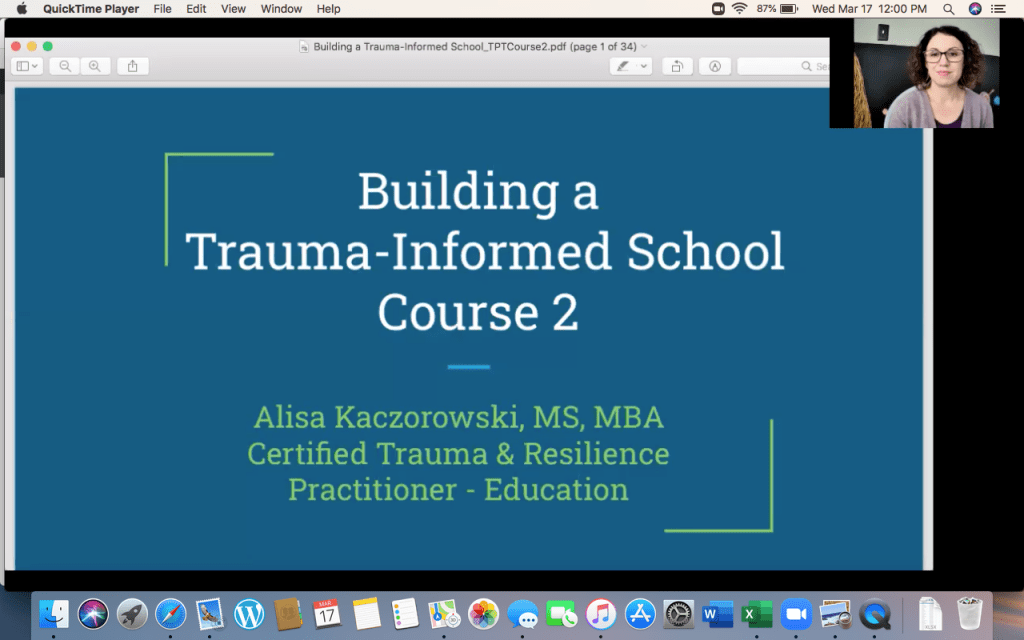
Building a Trauma-Informed School Video Series: Course 2

Get Course 2 here!

Course 2 of my new video series on Building a Trauma-Informed School launched yesterday on Teachers Pay Teachers! I’m excited to make the content I teach to schools all over the country accessible to educators at the click of a button and at an affordable price.

This series will break down the information I present in a full-day professional development into smaller, easy to watch chunks. Course 1 is already available and focuses on understanding the basics of trauma in our society, why schools should be trauma-informed and recognizing the characteristics of trauma in children of various age levels.

Course 2 dives into understanding the neuroscience of trauma – how traumatic experiences impact, and cause changes to, the brain that affect students in a learning environment. It covers the impact of trauma on learning, as well as a variety of mindfulness techniques that can be implemented in the classroom.

Course 3 will go live in the next two weeks. It will focus on the impact of trauma on behavior, trauma-informed classroom management strategies and assess the pros and cons of a variety of common classroom management systems.

At least one more course will follow and will include 10 strategies for building a more trauma-informed culture in the classroom.

Head on over to Teachers Pay Teachers and grab Course 2 here!

Mindfulness vs. De-Escalation

Have you ever really stopped to think about the difference between mindfulness strategies and de-escalation strategies? No…just me? At first thought, it seems that they are the opposite of one another, right? I mean, when I think of mindfulness, I visualize someone meditating or deep breathing in a peaceful, quiet place. When I think of de-escalation, calm and peaceful are certainly not words that come to mind. I picture a child who is feeling very angry or emotional and adults trying to help. This visual is very noisy and chaotic in my mind.

Take a minute to think about a few de-escalation strategies that the child in the example above might use. What would be on your list? Perhaps deep breathing, some type of movement activity or productive destruction (my term for satisfying the need to destroy something without ACTUALLY destroying something – think tearing paper or putty)?

Now think about common mindfulness strategies. What did you come up with? Deep breathing and exercise again?

See, the funny thing is…the strategies we use for de-escalation and the strategies we use to practice mindfulness are THE SAME! We just call them something different, depending upon WHEN we use them.

We need de-escalation strategies when our amygdala has already been activated, and we’ve moved into flight or fight mode. When we use the strategies at this time, they help bring us back into balance.

On the flip side, we practice mindfulness strategies to train our brain to respond more calmly and reflectively when faced with adversity. By practicing mindfulness regularly, we can actually retrain our amygdala to “false alarm” less frequently so we don’t need to de-escalate as often.

Now that you know that mindfulness and de-escalation strategies are the same thing, how will you incorporate them into your classroom or home environment? It’s critical that we explicitly introduce a variety of these strategies to kids so they can begin to decide what does and does not work for them. Providing time for mindfulness practice is also key to helping kids strengthen the neural pathways in their brains and be proactive about emotional regulation.

Need help getting started? Check out this infographic I have available on Teachers Pay Teachers.

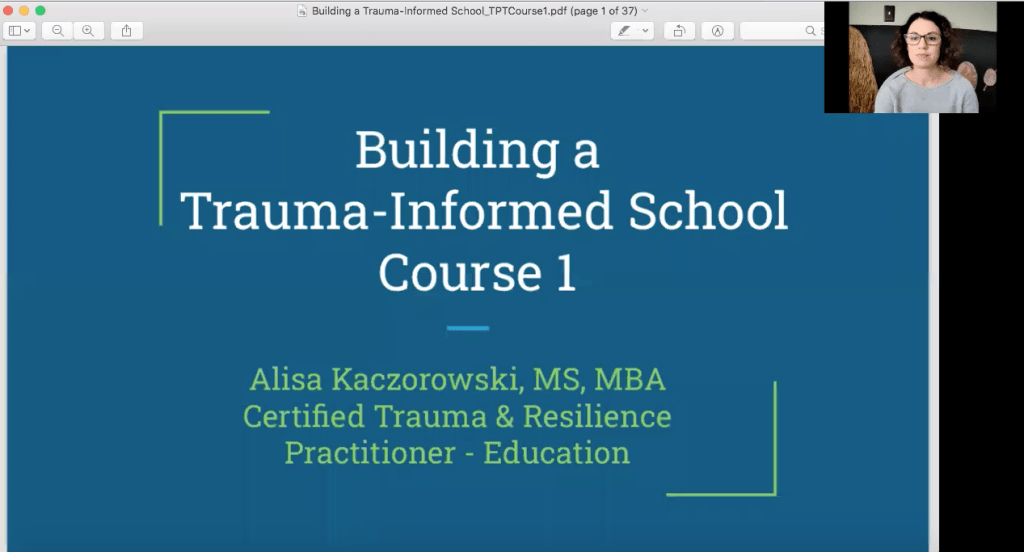
Building a Trauma-Informed School Video Series

Get Course 1 here!

Course 1 of my new video series on Building a Trauma-Informed School launches today on Teachers Pay Teachers! I’m excited to make the content I teach to schools all over the country accessible to educators at the click of a button and at an affordable price.

This series will break down the information I present in a full-day professional development into smaller, easy to watch chunks. Course 1 focuses on understanding the basics of trauma in our society, why schools should be trauma-informed and recognizing the characteristics of trauma in children of various age levels.

Course 2 will go live in the next two weeks. It will dive into understanding the neuroscience of trauma – how traumatic experiences impact, and cause changes to, the brain that affect students in a learning environment. It will cover the impact of trauma on learning, as well as a variety of mindfulness techniques that can be implemented in the classroom.

At least two more courses will follow and will focus on the impact of trauma on behavior, trauma-informed classroom management strategies and strategies for building a more trauma-informed culture in the classroom.

Head on over to Teachers Pay Teachers and grab Course 1 here!

Becoming a Trauma-Informed School: Where to Begin

The term “trauma-informed” was already picking up steam in the education world prior to the Covid-19 pandemic, but man is it everywhere now! In light of the events of the past year, every school administrator, counselor and teacher is looking for ways to become more trauma-informed. This is a good thing. As educators, we should be more aware of the types of trauma, what trauma looks like, how it impacts our kids and what we can do to help them. Perhaps this is one of the more positive things to come out of the ugliness of 2020.

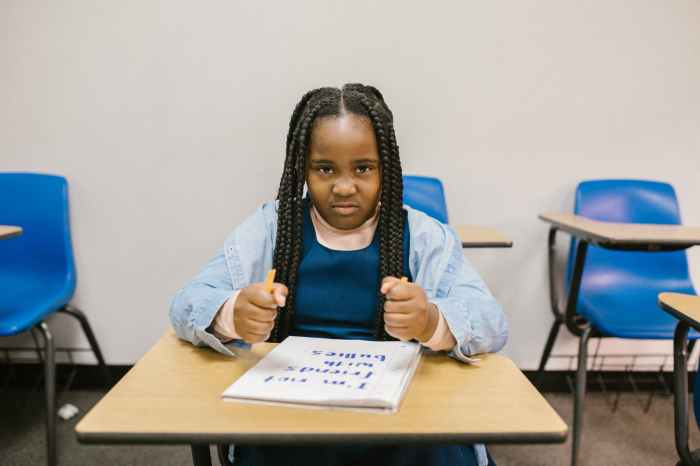
But I have said this before, and I will say it a thousand more times – trauma-informed practices aren’t only beneficial to kids who have actually experienced trauma. They are beneficial to ALL kids. Let’s say it louder for the people in the back. Trauma-informed practices are good for all kids. Therefore, all schools should be learning about and implementing them. I’m so tired of this myth that trauma-informed practices are only for certain types of kids or certain types of schools. Not true!

So the question is – where do you begin? The short answer is – anywhere. There are so many facets to being trauma-informed that the possibilities are endless. But I’m guessing you’re looking for a more clear-cut answer than that.

Whether your school (or classroom) is at a beginner, intermediate or advanced level of being trauma-informed, I recommend starting with a self-assessment. This way, you can hone in on specific areas of strength and weakness to help identify next steps. Think of it as the pre-assessment to guide your instruction.

Well, I went in search of the trauma-informed school assessment of my dreams, but after a lot of research, I couldn’t find one that didn’t seem too specific, too broad, too complex or too ridiculously expensive. So I created my own. In it, I have identified 6 key domains of being trauma-informed with 4 assessment questions each. It’s simple to complete, simple to score and simple to identify areas of strength and weakness for your school. Plus it includes space to begin action planning for each domain.

So if you’re looking for a place to begin your journey or want to take a step back and assess the effectiveness of practices already in place in your school, this tool is a great place to begin. Complete it with other key stakeholders to get a variety of opinions then do some brainstorming of actionable steps that can be taken.

Often, the most difficult step is the first one. This one is so worth it, though.

Get the assessment tool by clicking on the icon above or right here.