my 5 favorite picture books for teaching kids about friendship

Friendship is a theme that you can find in a whole host of children’s books which is fortunate since it is a topic that often needs revisited with kids. Whether you have students finding it difficult to be a kind friend or your own children are experiencing friendship struggles at school, I’m sure you’ll find a book on the list below that could be helpful in talking to younger kids about the concept of friendship.

When Glitter Met Glue by Karen Kilpatrick

This wonderful picture book is all about what to do when one person in a friendship feels invisible. Find out how Glitter and Glue team up to help Glue shine like some of their other friends.

Peanut Butter and Cupcake by Terry Border

This witty picture book with awesome photo illustrations is a great one to turn to when kids are feeling lonely and struggling to find friends. Read to find out how Bread searches and searches for his perfect pairing.

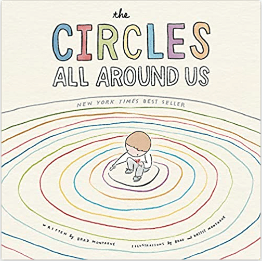
The Circles All Around Us by Brad Montague

This is one of my absolute favorite picture books for so many reasons. There are so many wonderful themes that can be extracted from this book. If you’re looking for a book about friendship, kindness or inclusivity, this is the one!

This book is all about how the circles of people around us (our relationships) grow as we get older to include, not only family, but also friends, neighbors and other people from our community with whom we connect and feel safe. This book serves as a great springboard for a conversation on how we grow those circles through kindness and by being a good friend.

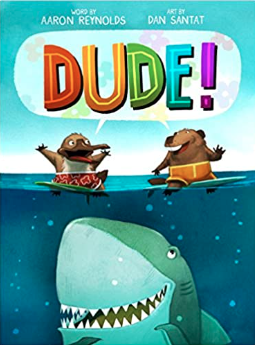
Dude! by Aaron Reynolds

If you have a child who feels excluded or students making snap judgments about another student, this book is for you!

This book is about platypus and beaver, friends who just want to go surfing. Unfortunately, they are afraid to surf because they share an ocean with shark. As he approaches and they get to know him, though, they find out that maybe there’s more to shark than what they originally thought.

You Will Be My Friend! by Peter Brown

This is the perfect book for those kiddos who just aren’t sure how to go about making friends.

In this story, we learn from Bear just how hard it is to make friends, how persistence is the key and how sometimes, we find the best friends in the most unlikely places.

I hope you have a chance to check out these wonderful books! In the comments, let me know what other books you like for the theme of friendship.

8 Steps to Building a Trauma-Informed School: A new youtube series

I’m excited to announce my brand new YouTube series – 8 Steps to Building a Trauma-Informed School. This series of 9 videos will begin with an overview of the 8 steps, and then subsequent videos will dive deeper into each step individually.

In each video, you can expect to learn more about each step and what it takes to accomplish it. This series is great for administrators, school counselors and educators who are interested in learning more about the steps needed to create cultural change in the school environment. Even if you aren’t prepared to tackle a huge, new initiative, I encourage you to check out the videos to gauge your own schools’ strengths and areas of need.

If you are ready to tackle a trauma-informed school initiative, send me an email at akedconsult@gmail.com. I will soon be opening up registration for 1 and 2 year partnerships that will kick off in August 2023 and spots will be limited!

My 5 Favorite books for teaching kids about acceptance & diversity

Teaching kids about acceptance and diversity is, obviously, a very important topic right now. In a world filled with so much hatred, judgment and violence, it’s critical that we turn things around for the next generation.

Check out 5 of my favorite books to start a conversation with kids on understanding and accepting the differences among us.

We’re All Wonders by R.J. Palacio

This is the picture book version of the author’s bestselling book, Wonder. It is the same powerful story of Auggie but contains illustrations and is geared toward a younger audience. This book is a great for reading and discussing topics such as differently-abled people, kindness and belonging in a sometimes cruel world.

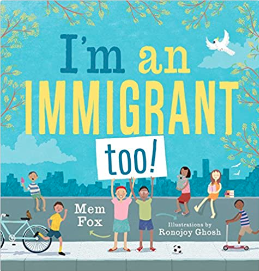
I’m an Immigrant Too! by Mem Fox

This wonderful rhyming book tells the story of all the ways immigrants have enriched the author’s home country of Australia. It’s a wonderful way to help children understand the many ways in which people contribute to their communities. Additionally, many children will be able to relate to, and make connections with, the characters in the book.

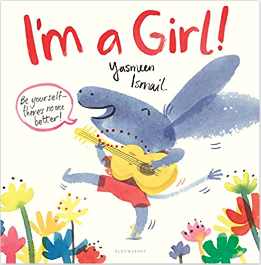
I’m a Girl by Yasmeen Ismail

Bust those gender stereotypes with this book about a strong, fast and capable little girl who often gets mistaken for a boy. As the story progresses, she befriends a boy who likes pink and princesses. This is a must-read with students who are uncomfortable expressing who they are and what they like.

Drum Dream Girl: How One Girl’s Courage Changed Music by Margarita Engle

Inspired by the true story of a Chinese-African-Cuban girl, this book tells the story of the little girl who just wanted to play the drums but unfortunately, lived in Cuba where it was taboo for girls to be drummers. Read to find out how she was able to break that taboo and realize her dream of being accepted for who she wanted to be.

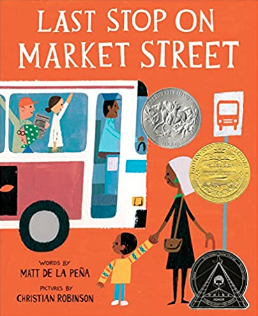
Last Stop on Market Street by Matt de la Pena

This is the story of a little boy who begins to wonder why his life looks so different than his friends – why he doesn’t have the same luxuries and gadgets. With each question he asks his grandma, her answers help him see the beauty of the world he DOES live in and their life together. A must read for helping students to understand the life can be rich in a variety of ways.

My 5 favorite picture books for teaching kids about self esteem

Self-esteem is something many kids (and adults!) struggle with. It’s the ability to see the good in ourselves, be proud of ourselves and believe in ourselves, even when we may not, at first, succeed.

This is a daunting task for many kids, though. Does this scenario sound familiar? Your child (or student) makes a simple mistake or is redirected by an adult and immediately starts beating themselves up, berating themselves for messing up or calling themselves ugly names. Despite your best efforts to the contrary, this is a trap many of our kids fall into, and it’s not healthy for a lot of reasons.

According to the American Psychological Association, having high self-esteem is critical to our mental health and well-being. In fact, studies show that low self-esteem is highly correlated to depression, anxiety disorders, substance abuse, eating disorders and suicidal ideation.

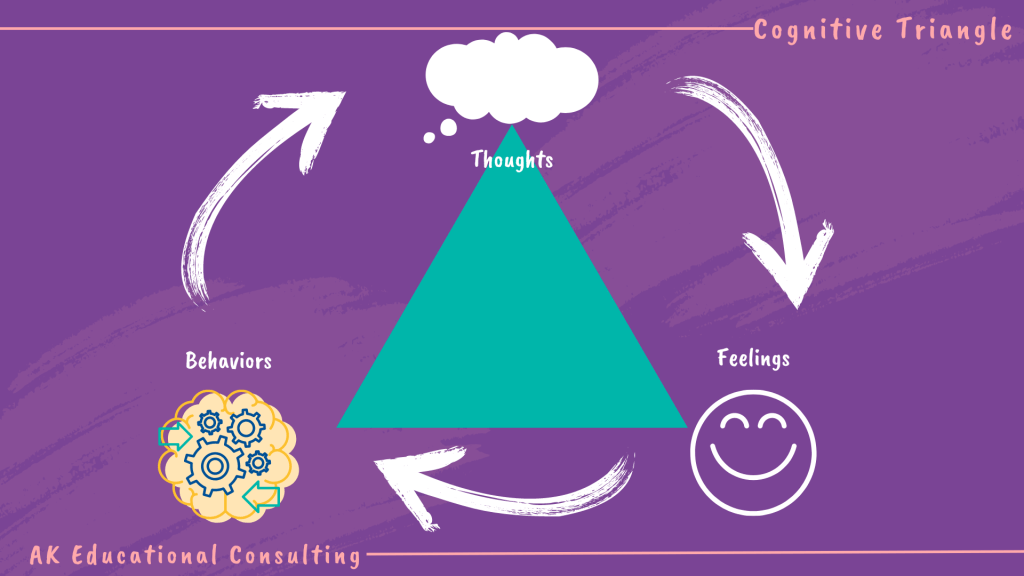
So how do we help kids beef up their self-esteem? It’s all about changing thought patterns. Remember, our thoughts determine our feelings and behaviors or actions (see the Cognitive Triangle below). If the cycle begins with negative thoughts, it’s more likely that the feelings and behaviors that follow will also be negative. However, if the cycle begins positive, then positive feelings and behaviors are more likely to follow.

So how do we encourage kids to engage in positive self-talk (or teach them what that even means!) or springboard a discussion on self-esteem? Check out my list of favorite picture books on this topic below.

Giraffes Can’t Dance by Giles Andreae

This is the story of Gerald the giraffe. He has dreams of dancing, but his knobby knees and spindly legs make it hard for him UNTIL he gets some encouraging words from a friend.

Fiona Flamingo by Rachael Urrutia Chu

Fiona gets made fun of for being the only flamingo with different colored feathers. Find out how she finally learns to accept being different than the rest of her flock in this wonderful story that also has a great message about emotional intelligence.

Ricky, the Rock that Couldn’t Roll by Jay Miletsky

Ricky is the only one of his rock friends who can’t play around and roll. Why? Because he has one flat side. Determined to include their friend, the other rocks set out to help Ricky roll.

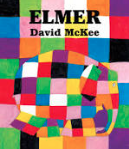
Elmer by David McKee

There’s something different about Elmer, and although, the other elephants love Elmer for those differences, he just wants to look like everyone else. Find out how Elmer learns to love himself and be celebrated by all his friends when he sets out to look like all the other elephants.

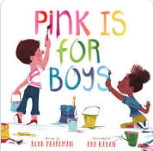
Pink is for Boys by Robb Pearlman

With a group of very relatable characters, this book sets out to bust gender stereotypes by encouraging boys and girls to do what they love and express themselves in every color of the rainbow.

What are some of your favorite books on self-esteem? I’d love to hear about them!

My 5 favorite picture books for teaching kids about growth mindset

Growth mindset is something we’ve been hearing a lot about in recent years, but what is it really and how do we teach kids about it?

Simply stated, a growth mindset is the belief that you and your brain can grow and learn new things. In other words, you are not just born smart; you can BECOME smart.

The opposite of a growth mindset is a fixed mindset. This is where many people, including kids, get trapped. It’s the belief that, if you can’t do something right now, you will never be able to do it.

This simply isn’t true, though. We know that the human brain is malleable, or able to change and grow. It can become stronger through effort, trying new and different things and asking for help, when needed.

The research also shows that parent and teacher interactions play a big role in forming a child’s mindset. We have the ability to help kids become more resilient through our words and actions. We can do this by focusing our praise on the process versus a child’s ability, teaching kids the importance of trying new strategies when they aren’t successful and how asking for the assistance or opinions of others can be beneficial.

If all of this sounds great, but you still aren’t sure where to start, check out these 5 picture books that will serve as a springboard for discussion of this topic.

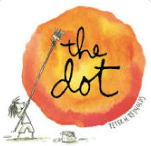
The Dot by Peter H. Reynolds

This is, of course, a fan favorite. It is about a little girl who dislikes art class because she doesn’t think she is a good artist. Her teacher encourages her to simply begin with a single dot and see where it takes her. This one interaction begins a journey of discovery for the little girl which is very relatable for many of our kids.

Emmanuel’s Dream: The True Story of Emmanuel Ofosu Yeboah by Laurie Ann Thompson

This is the true story of a little boy born in Ghana with a deformed leg. While most people dismiss Emmanuel because of his disability, his mother pushes him to dream big. He eventually becomes a cyclist who rides across Ghana, spreading his message of perseverance, courage and strength.

The Thing Lou Couldn’t Do by Ashley Spires

Lou really wants to be brave and climb a tree like all her friends, but she’s never done it before and is convinced she can’t. Despite brainstorming lots of methods for getting to the top of the tree, she isn’t able to make it. Her friends cheer her on and remind her that she can’t do it YET and she can always try again tomorrow. A great reminder for all our kids that they are on their way to accomplishing their goals, even if they haven’t succeeded yet.

I’m Not Just a Scribble by Diane Alber

Scribble realizes he’s different when he meets other drawings and gets made fun of. Eventually, the other drawings come to realize that Scribble is not bad just because he’s different. In fact, Scribble teaches them that he has a lot to add to their lives! A great message to accept others for who they are and what they have to offer the world.

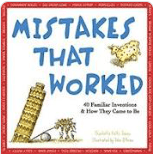
Mistakes that Worked: 40 Familiar Inventions and How They Came to Be by Charlotte Foltz Jones

A wonderful nonfiction book about mistakes that changed the world. Kids will learn how sandwiches, potato chips, Silly Putty and many other common items came to be…by accident!

There are so many wonderful books out there to help teach kids about growth mindset. What are some of your favorites?

New Training Announcement!

Do your students struggle to control their brains and bodies? Do your teachers need tools to proactively engage disruptive or defiant students? Do you want calmer, more productive classrooms?My new training will help you address all this and more!

What will you learn during this training?

  1. What emotional regulation is and how we can help students achieve it
  2. Why some students struggle to self-regulate
  3. Why brains on stress can’t learn
  4. The importance of mind-body skills
  5. Dozens of mind-body skills that can be easily used in the classroom

What else will you get from this training?

  1. Access to a Google folder full of aligned resources
  2. An electronic workbook with dozens of mind-body activities and directions for use
  3. Ongoing support from me

Many of our students are lacking the skills to express their emotions appropriately. This results in disruptive behaviors, chaotic classrooms and stressed out teachers. If you’re looking for a way to empower your teachers, decrease behavior referrals and increase academic achievement, this training is for you. Let me help you make this a reality for your school! Contact me today through my website or at akedconsult@gmail.com.

De-Escalation and Mindfulness Strategies for Kids

One of the most popular trainings I do is all about teaching kids strategies for calming down. Why? Because one of the most widespread effects of the pandemic on our children was stress and anxiety which has lead to them having the inability to regulate their emotions. For many kids, this was difficult prior to the pandemic, but now it is the chief concern for most teachers and administrators I talk to.

In light of what our kids have experienced over the past couple of years, it is critical that we give them the tools to understand what they are feeling, why they are feeling it and what to do about those feelings. They need to be explicitly taught strategies for calming down when they are escalated, as well as strategies for helping to keep their brain and body calm.

Fortunately, this training covers exactly how to do that, in addition to:

  1. What is happening in the brain when we become escalated
  2. How to strengthen the neural pathways in the brain to be more reflective
  3. The similarities and differences between de-escalation and mindfulness strategies
  4. How to recognize, identify and label emotions
  5. Dozens of simple strategies kids (and grown-ups!) can use to calm down

If you want to give your students a toolbox full of strategies to self-regulate, as well as better understand what is happening in their brain when they become escalated, this is the perfect training for you. Reach out to me at akedconsult@gmail.com to get more details.

4 Ways to get parent buy-in for sel programming

In the time since the COVID-19 pandemic began in 2020, we have seen a sharp increase in the number of schools putting an intentional focus on social-emotional learning. For many administrators, the goal is to give students and teachers the tools to deal with the multitude of challenges that have resulted from the pandemic.

Since 2020, we have seen more and more children struggle with time management, learning stamina, effective communication and self-regulation skills, to name just a few of these challenges. Many children have had difficulty re-acclimating to the in-person school environment. Others seem to have mysteriously forgotten how to communicate with their peers while many more struggle to express their emotions appropriately.

As these challenges have piled up over recent years, coupled with the many professional and personal difficulties teachers are facing, administrators have scrambled to find ways to help both teachers and students.

Enter social-emotional learning or SEL.

The thing is, SEL is not a new idea, born of the challenges of the pandemic. Schools have been incorporating social-emotional learning strategies for decades. According to the Social Emotional Learning Alliance for the United States (SEL4US), social-emotional learning is a practice that helps kids and adults learn and apply the skills necessary to develop healthy identities, manage emotions, set and achieve goals, feel and show empathy, establish strong relationship skills and make responsible decisions.

If you think back to your own schooling, depending on the type of school you attended, you will likely remember something along the lines of character education or virtues training. In other words…social-emotional learning.

So, if SEL has been around for so long and includes critical skills like the ones listed above, why are we just now beginning to see so many parents seemingly against it? Well, there are many answers to that question, but oftentimes, the true answer comes down to just one thing…misunderstanding.

As a whole, we have not done a great job of helping parents to understand what SEL really is, why it is important and how it is being incorporated into the classroom experience. Thus, we have a large number of parents who simply don’t understand what we mean when we say our school focuses on social-emotional learning.

So how do we fix this? There are 4 simple things we can do to help parents and caregivers better understand social-emotional learning and how it is being used in the school.

  1. Use Less Jargon

Educators are good at jargon…too good, and we often use it when communicating with parents who are likely unfamiliar with our terms. Instead, use simple language. Rather than using terms like “social-emotional learning” or “whole child development,” use words like kindness, empathy and being sensitive to other cultures.

At the end of the day, most parents want to know how their child is doing at school, aside from academics and most parents want their child to grow up to be a good human. That’s the goal of SEL, but we can use other language to communicate that.

  1. Be Clear About What SEL Is

Many parents have pre-conceived notions about what SEL actually is, and oftentimes, those notions are incorrect. Clearly communicate to your families what SEL is in YOUR school or district. Perhaps you have a list of traits or virtues that are being taught. Maybe you have adopted a specific curriculum. Share these, along with resources, with families so they clearly understand what SEL means for their child.

  1. Clearly Communicate How and When SEL is Integrated into the Classroom

Once you have communicated what SEL means in your school or district, it’s just as important that you share how and when it is being integrated into learning. If you’re using a specific curriculum, communicate how many minutes or days per week children will be engaging with it. If you are focusing on key traits, will these be introduced each week during a school-wide community meeting, taught once a month by the school counselor or integrated into a variety of classroom activities each week? Clearly communicating these parameters will often help ease parents’ ill feelings.

  1. Engage Parents

After communicating what SEL is and how and when it will be used, it’s critical to continue to engage parents in your school’s programming. Sending resources home to better educate them is a great start, but be sure to continue sharing with them as the school year progresses. Share some of the strategies or language being used at school and encourage them to use these at home as well. Help them understand how the programming is beneficial to their child AND their family, how strategies can be used at home to make life just a little bit easier. Let’s face it…we are all facing challenges in this post-pandemic world and can use all the help we can get…even parents.

I’d love to hear what you are doing (or have done!) to get buy-in from your parents for SEL programming. Comment on this post or shoot me an email at akedconsult@gmail.com.

New Training Announcement! – Fostering family engagement within your school

I’m so excited to roll out my brand new training just in time for the beginning of the school year! This training is a critical component of building a trauma-informed school (see step #6 below).

There’s been a lot of chatter online lately about the difference between parent involvement and family engagement in schools (and yes, there is a huge difference!). Traditionally, schools have considered parents to be involved when they volunteer in the classroom, attend field trips or send in classroom donations. These things are great (and necessary!), but they do not necessarily equate to parents and caregivers being in true collaboration with the school. Additionally, this type of “involvement” is often exclusive to parents who have the time and financial means to participate in their child’s education in this way.

If your school is instead looking to partner with ALL families in a meaningful way by building strong relationships, engaging them in the curriculum and providing tools for helping children at home, this training is for you!

A few things you will learn during this training include:

  1. Specific strategies for engaging families as your partner in educating their child
  2. Tips to streamline family-school communication to reach more families
  3. Steps to establish a parent outreach coordinator or team
  4. How to host family workshops and interactive events that provide caregivers the tools and strategies to help their child academically, behaviorally and social-emotionally
  5. Strategies for building strong relationships between teachers, students and caregivers

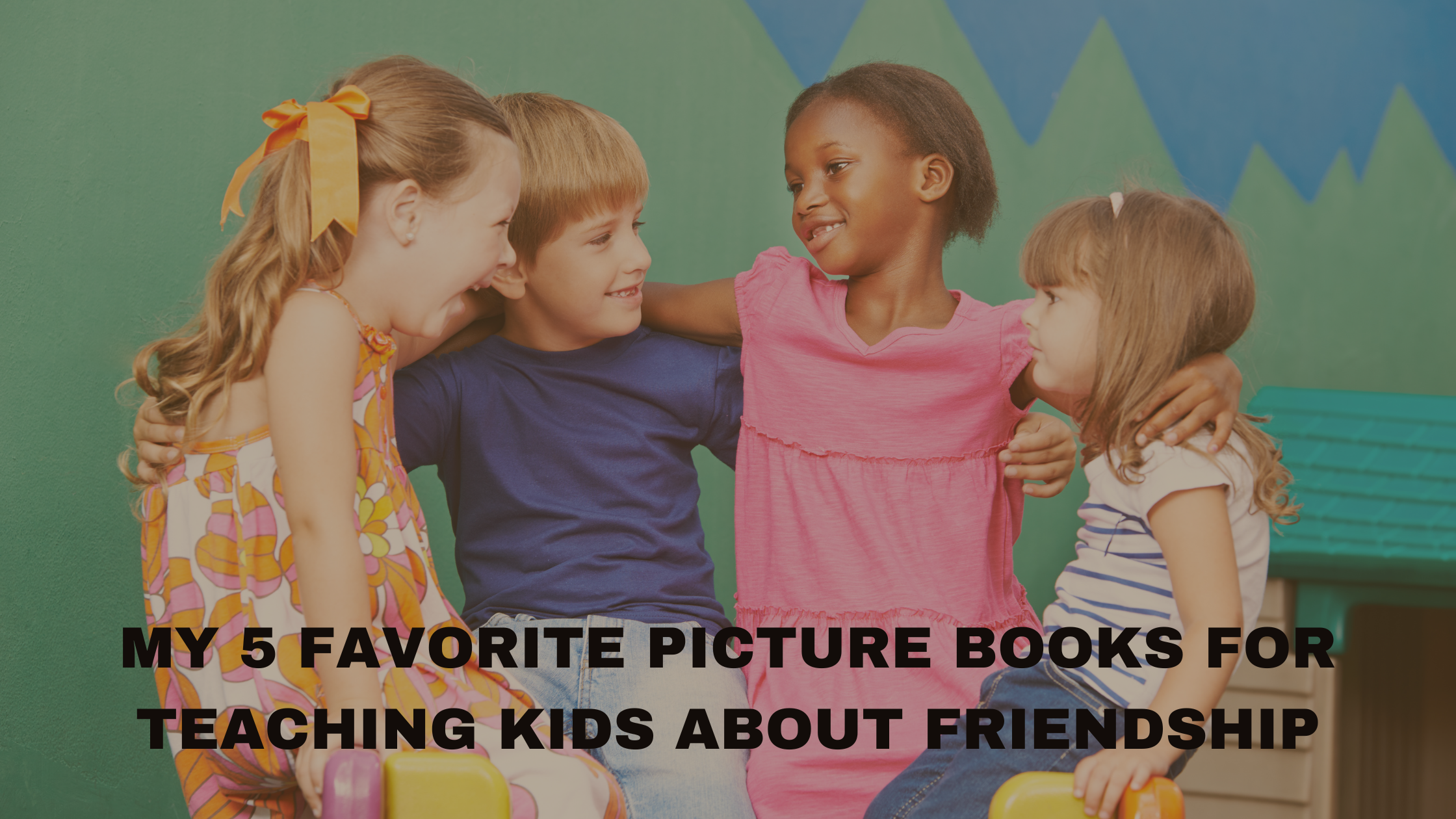
This training is designed for teachers and other school staff. It can be done as a stand-alone 2, 4 or 6 hour professional development or as a partnership, in conjunction with a combination of my parent workshops (see informational flyer below).

If you’re ready to join the thousands of educators (and parents!) who have benefited from my trainings and expertise, send me an email at akedconsult@gmail.com. Let me help you build a trauma-informed school!
Coming soon!!! – Indiana School Counselor and Administrator Collaboration Institute (ISCACI)

Calling all school leaders (principals, assistant principals), school counselors, and graduate students/alumni in school counseling and educational leadership programs! You are cordially invited to join us at the inaugural Indiana School Counselor and Administrator Collaboration Institute (ISCACI). This conference focuses on school administrator-school counselor collaboration to better meet all PK-12 student needs. Three nationally and internationally known speakers will provide workshops and a keynote, and 34 local presenters will share knowledge and resources in breakout sessions during this exciting two-day event in June at Ball State University. We hope to see you there!  

Conference information

Dates: June 13-14, 2022

Location: Ball State Alumni Center, 2800 W. Bethel Ave., Muncie, IN  47304

Website: https://ncyionline.org/conferences/iscaci/

Cost: $20 (Graduate Student) and $95 (Early Bird Regular Registration)

Meals provided: Breakfast and Lunch for Two Days

Breakout session presenters are from a variety of organizations, such as the Indiana Department of Education, Standard for Success, local Indiana school districts, Indiana Online, and much more! Breakout session topics include:

  • Student Success
  • Community Engagement
  • College & Career Readiness
  • Educational Equity 
  • Principal/Counselor Relationships

Workshop: “Integrating MTSS Into Your Comprehensive School Counselor Program (CSCP)” with Dr. Carol Dahir from New York Institute of Technology

Workshop: “Working Together to Support Students” with Dr. Leigh Bagwell who recently served with the Tennessee Department of Education.

Keynote: “How Do You View the World? A Discussion of Diversity and Equity” with Robert Jamison from Virginia Beach City Public Schools.

Please contact Dr. Rachel Geesa (rlgeesa@bsu.edu) and Dr. Theresa Kruczek (tkruczek@bsu.edu) if you have questions about the conference.